Panasonic traces its roots to 1918, when Japanese innovator Konosuke Matsushita established Matsushita Electric Factory in Osaka, initially producing electrical sockets and plugs. The company expanded into radios by 1931 and audio equipment soon after, introducing the National brand domestically while debuting Panasonic in 1955 for export speakers—a name blending the Greek "pan" (universal) with "sonic" (sound) to symbolize global audio reach. In 1965, it launched the Technics sub-brand to compete internationally with premium hi-fi gear, cementing its heritage in reliable, innovative consumer electronics during Japan's postwar boom.
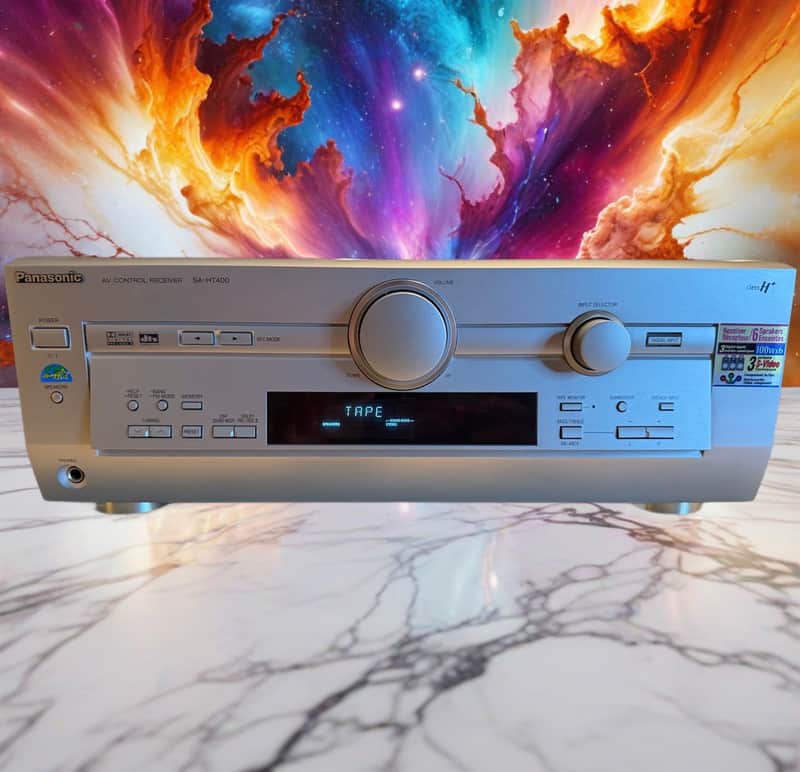
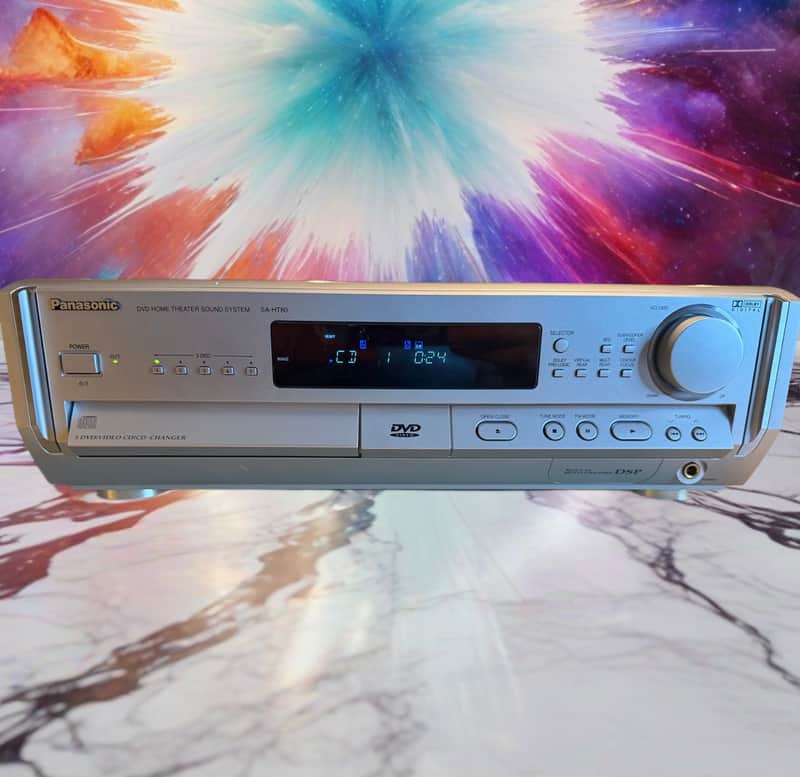
Panasonic's audio portfolio historically spanned amplifiers, receivers, turntables, speakers, and CD players, with iconic releases like the 1964 stereo console Asuka and the 1984 Technics SL-P50P CD player. Technics specialized in high-fidelity components such as direct-drive turntables (e.g., SL-1200 series) and precise amplifiers, while Panasonic offered broader home audio systems known for clean, lucid sound in the 1970s and 1980s. Today, the focus persists through Technics' revived high-resolution lineup, including premium amplifiers, speakers, headphones, and digital sources.
Positioned as a mid-tier mainstay with high-end aspirations via Technics, Panasonic earns respect for durable, value-driven performance rather than boutique exclusivity. Its vintage gear attracts collectors for robust build and musicality, while modern Technics targets discerning buyers seeking refined hi-fi without ultra-premium pricing. This blend of mass-market accessibility and audiophile credibility keeps it relevant in a competitive landscape.