Heathkit traces its origins to 1911 in the United States, when Edward Bayard Heath founded an aircraft company in Chicago after acquiring the Bates Aeroplane Co. Renamed E.B. Heath Aerial Vehicle Co., it pioneered kit-built planes like the 1926 Heath Parasol. Following Heath's death in a 1931 test flight, Howard Anthony acquired the bankrupt firm in 1935, shifting focus to aircraft accessories in Benton Harbor, Michigan. Post-World War II, Anthony pivoted to electronics in 1947 with surplus parts, launching the iconic O-1 oscilloscope kit for $50—a bestseller that birthed the Heathkit brand and its DIY ethos.
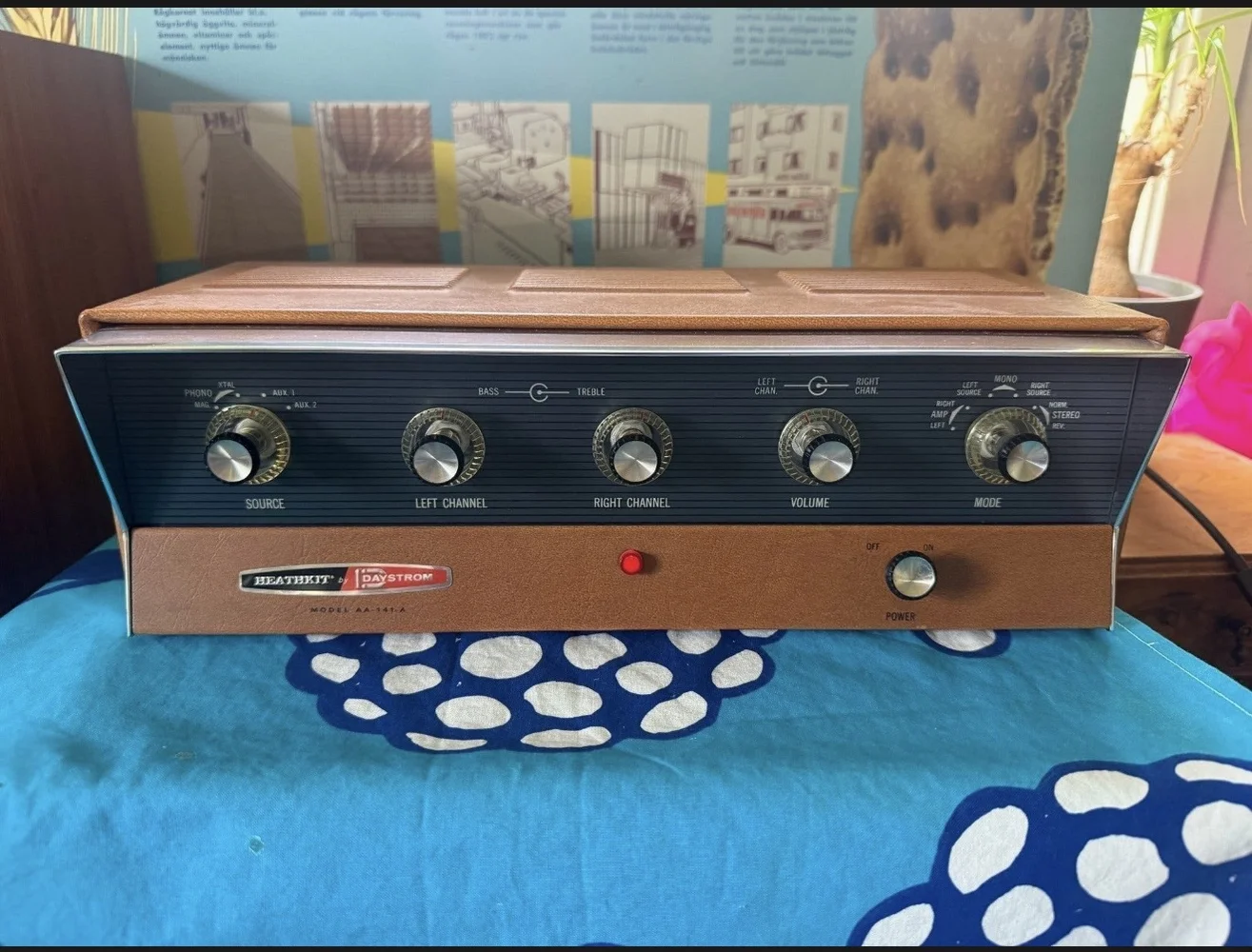
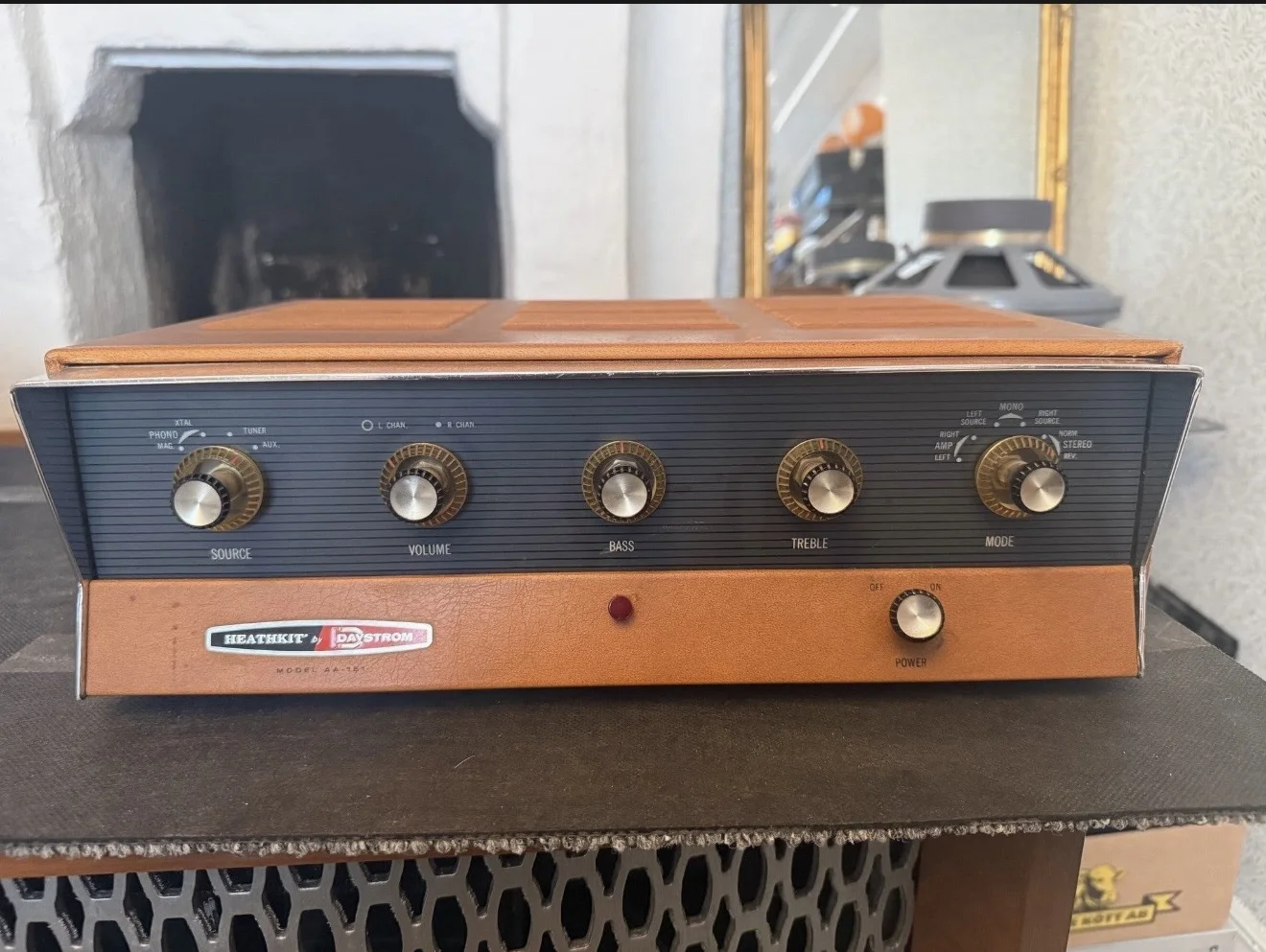
In hi-fi audio, Heathkit earned acclaim for tunable amplifiers, integrated receivers, preamplifiers, tuners, and speaker systems, all sold as meticulous assembly kits from the 1950s through the 1970s. Standouts included the AA-151 and A-7E power amps, known for their robust tube and solid-state designs, alongside full stereo systems like the AR-15 receiver. The brand expanded into test gear and amateur radio but prioritized high-fidelity components for home enthusiasts.
Heathkit occupied a mid-tier market niche, delivering exceptional value through user-assembled kits that rivaled factory-built rivals at half the cost. Prized for reliability, customization, and warm sound signatures, these vintage pieces command collector status today among audiophiles restoring "kit-built" icons. Though production ceased in the 1980s after Zenith's acquisition, Heathkit's legacy endures as a cornerstone of DIY hi-fi heritage.