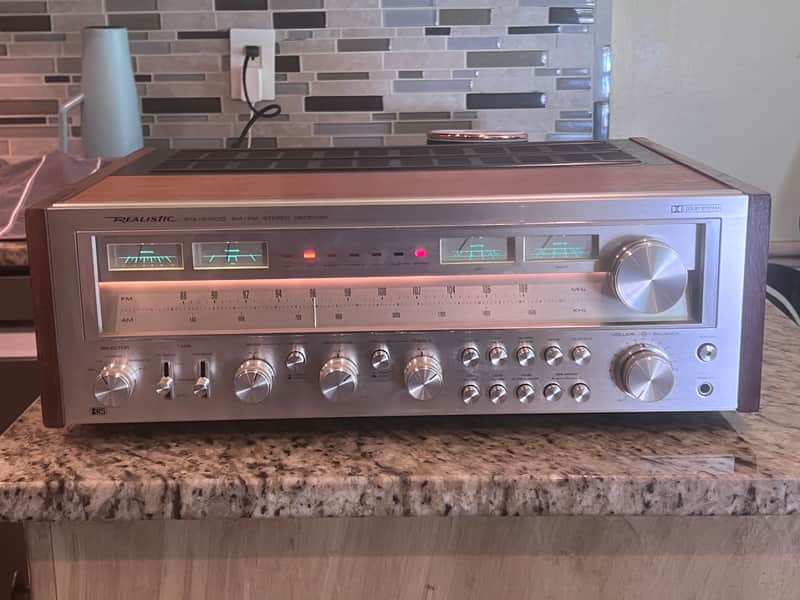
Realistic emerged as the house brand of Radio Shack, founded in Boston in 1921 by two brothers to serve ham radio enthusiasts and ship radio operators. The company entered the high-fidelity market in 1947 with the nation's first audio showroom for comparing amplifiers, speakers, and turntables. In 1954, Harman Kardon proposed private-label gear under the name "Realist," but a lawsuit from the Realist Camera Company prompted a swift rebrand to Realistic, which Radio Shack used until 2000 after Tandy Corporation's acquisition.
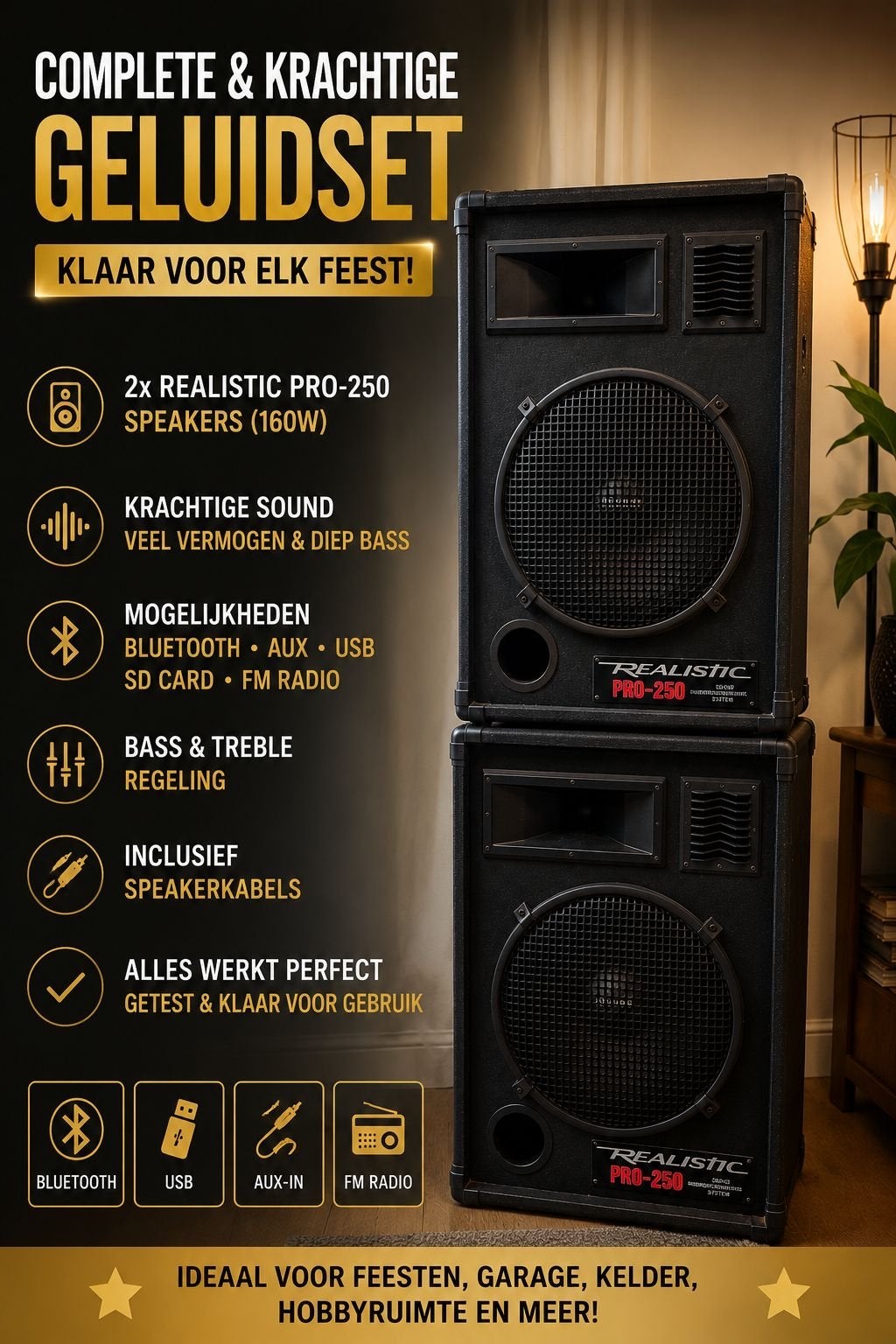
Realistic spanned a broad array of consumer audio categories, including amplifiers like the "Little Jewel" series, speakers manufactured initially by Tandy in Texas and later by Japan's Sun, turntables, reel-to-reel and 8-track tape recorders, plus CB radios and accessories. The lineup emphasized accessible hi-fi components, often sourced from reputable OEMs, alongside entry-level hobbyist gear that filled Radio Shack catalogs and stores.
Positioned as a mid-tier, budget-friendly option, Realistic earned a devoted following among 1970s audiophiles for reliable performance at mass-market prices, though it never rivaled high-end marques like Dynaco or McIntosh, which Radio Shack also stocked. Today, it holds strong vintage-collector appeal for its nostalgic role in democratizing hi-fi, with survivors prized for modifiable circuits and sturdy builds despite the brand's discontinuation.