Garrard Turntables trace their origins to the Garrard Engineering and Manufacturing Company, established in 1915 in Swindon, Wiltshire, England, as a division of the renowned jeweler Garrard & Co., founded in 1735. Initially tasked with producing motors and range finders for World War I, the firm pivoted post-war to consumer audio, crafting silent spring-wound motors for gramophones supplied to brands like Columbia and Decca. By 1930, it unveiled its first complete gramophone turntable, building a legacy in precision engineering amid the vinyl era's dawn.
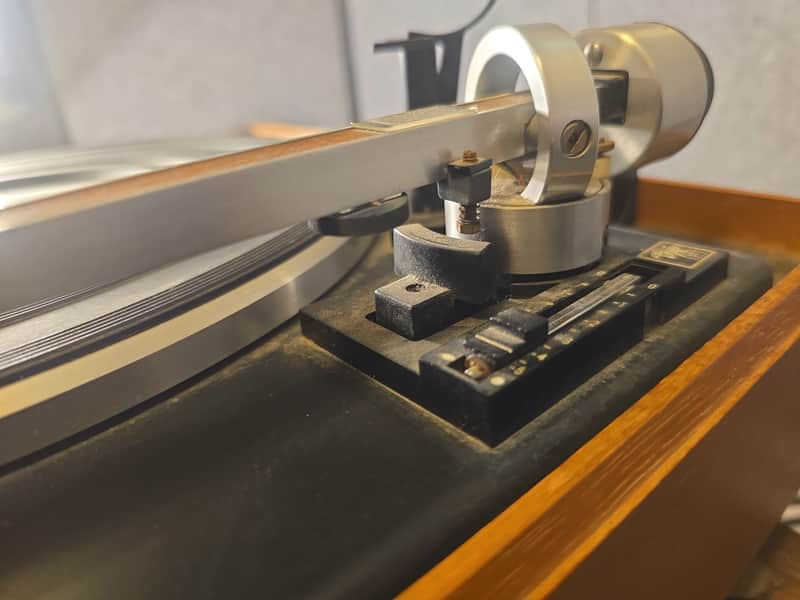
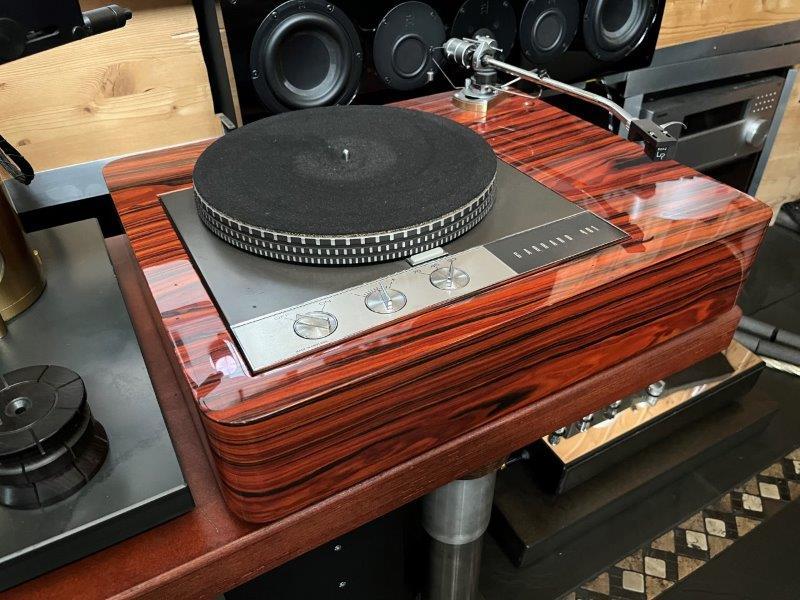
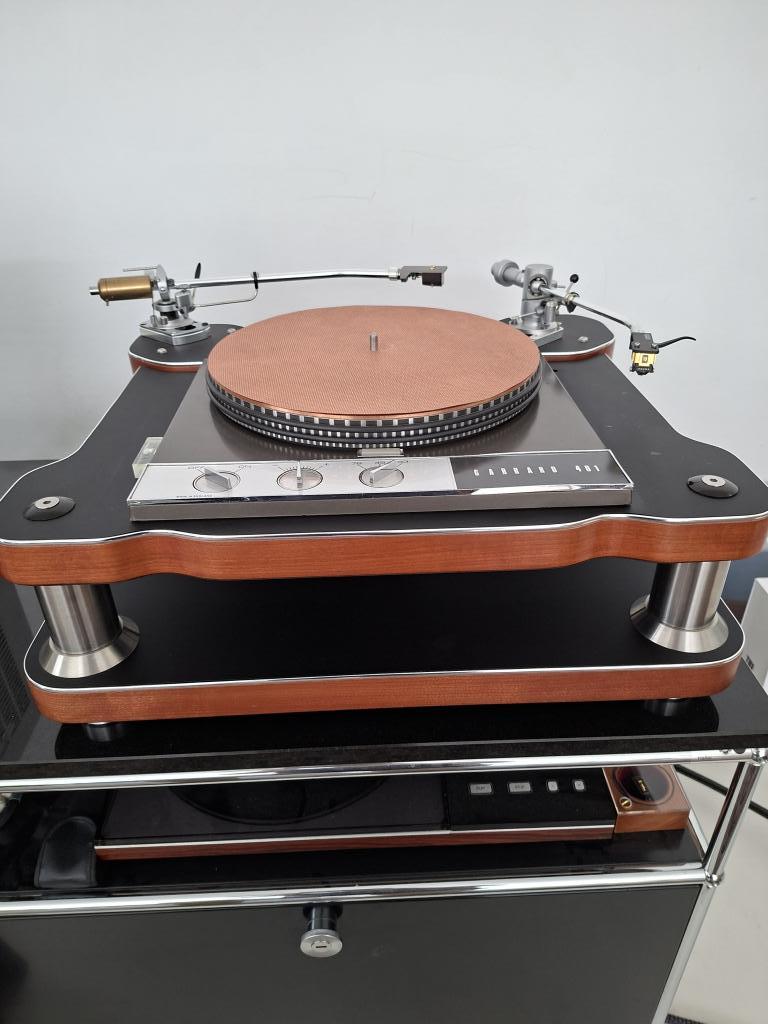
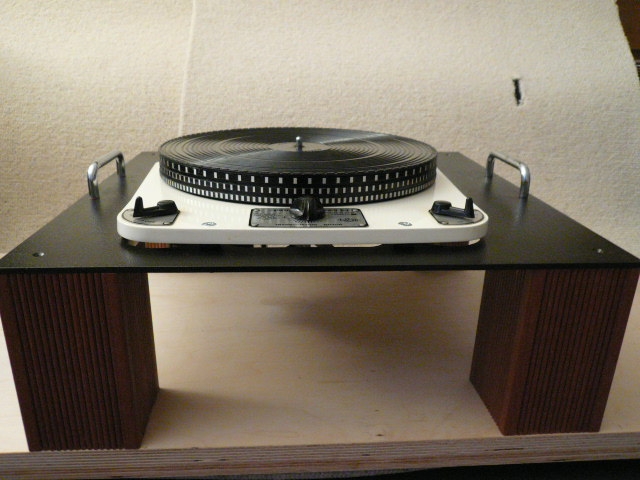
The brand's product focus centered squarely on high-quality gramophone turntables, with iconic idler-wheel models like the 301 (launched 1954) and 401 (1965) standing out for their robust four-pole induction motors, aluminum chassis, and support for 33, 45, and 78 rpm speeds. These transcription turntables, favored by the BBC and European broadcasters, eschewed modern direct-drive or belt systems in favor of grease-bearing designs and eddy-current braking, often sold without plinths for custom integration. Garrard innovated in record changers and autochangers but never diversified into amplifiers, speakers, DACs, headphones, or cables.
Garrard occupies a revered niche as a vintage collector's cornerstone in the high-end hi-fi market, synonymous with the golden age of analog playback. Sold to Plessey in 1960 and ceasing production by the late 1970s, its decks remain prized today for their torque, build quality, and musicality among audiophiles restoring "Swindon iron" script-logo classics. No active modern entity perpetuates the original line, cementing its status as a benchmark for idler-drive excellence.