BETA
RADAR is in beta — expect errors. Accuracy and coverage improvements are shipping daily.
LIVE
Waiting for new listings…
0 other audiophiles online

Seller's Description

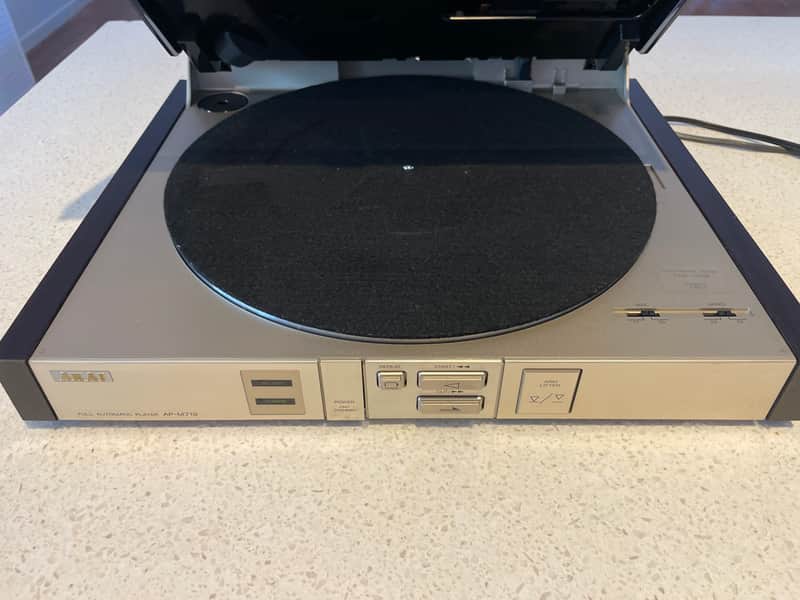
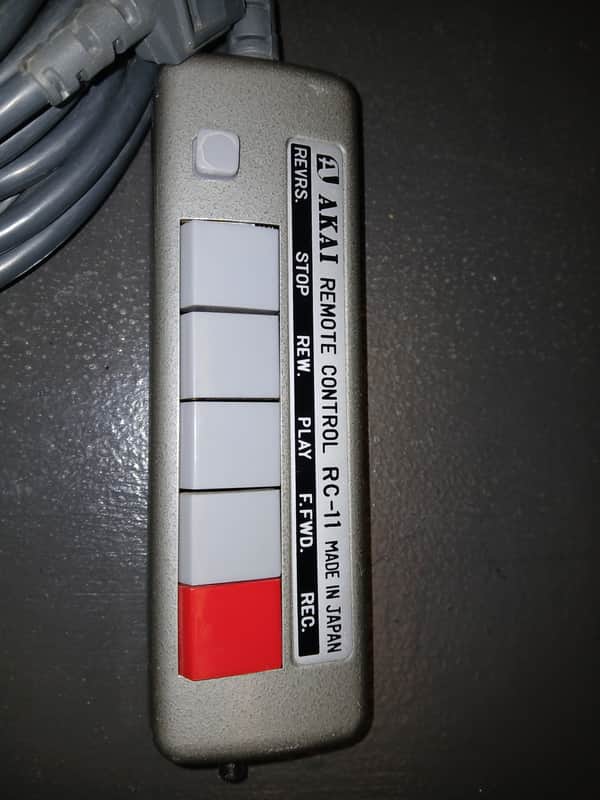
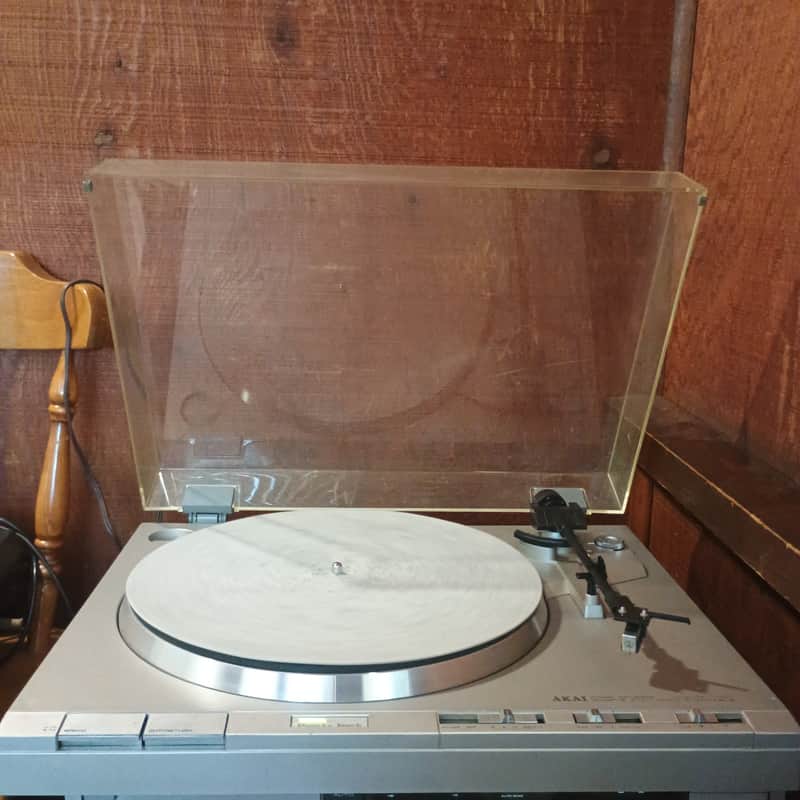
Akai AP-M719 Linear Tracking Turntable – Vintage Japanese Hi-FiA beautifully engineered vintage Akai AP-M719 linear tracking turntable, combining sleek late-1980s styling with precision Japanese Hi-Fi design.The AP-M719 features a fully automatic linear tracking tonearm, designed to follow the record groove in a straight line for accurate tracking and reduced distortion. With its compact design, smooth operation and quality build, it is a great addition for collectors, vinyl enthusiasts, or anyone looking to add a unique piece of vintage audio equipment to their system.Features:Fully automatic operationLinear tracking tonearm designBelt drive system33⅓ and 45 RPM speedsDC servo motor for stable playbackAluminium platterBuilt-in MM cartridge systemClassic Akai stylingCondition:The Akai turntable is working well.I have tested it by going through all the functions and am happy with the performance. It has the added timber sides which others I’ve found online do not. The stylus has unknown hours but is working.Vintage Item Condition & ReturnsPlease note that all items I sell are vintage or pre-owned unless otherwise stated. They are not new and will show signs of age, use, and wear consistent with their age. I do my best to accurately describe each item's condition and any known faults, and the photographs form part of the item description.If an item arrives with a fault that is significantly different from the description, please contact me within 7 days of delivery. The item must be returned to me before any repair, replacement, or refund is considered. I will inspect the item and, where appropriate, repair the fault and return it to you.Returns will not be accepted for normal cosmetic wear, age-related imperfections, or changes of mind.Thank you for understanding, and for supporting vintage audio equipment.Silver Stereo RevivalReviving Stereo. Restoring Sound

Our Thoughts RADAR AI

US$310 is above the median but still well inside the normal market band for this Akai, which sits at US$220 median with a US$114–US$392 interquartile range. So this reads as a fair-to-moderately strong ask, not a bargain, and not ambitious enough to be a red flag.

The appeal here is the linear-tracking design: when these Akai decks are healthy, they can track cleanly and sound very good for the money, with the added charm of a more distinctive engineering approach than a basic belt-drive deck. At this price, the real value is in a clean, working example with a solid arm mechanism, intact cartridge/stylus situation, and any original accessories or dust cover; if it’s been serviced or comes from careful ownership, that meaningfully strengthens the buy.

Independent perspective — not a price guarantee. Always verify condition, accessories and provenance before purchase.

About Akai

Akai Electric Company Ltd. traces its origins to Japan, founded by engineer Masukichi Akai in Tokyo around 1929, with his son Saburo Akai playing a key role in its early growth. Initially focused on affordable radio components, the firm formalized as a full electronics manufacturer post-World War II, often cited as 1946. By the mid-20th century, Akai had evolved into a prominent name in consumer audio, peaking in the 1970s before financial troubles led to its exit from the industry in 1991.

The brand built its legacy on high-quality tape-based audio gear, including reel-to-reel tape recorders, cassette decks, tuners, amplifiers, and complete stereo systems that brought professional-grade sound to homes. In the late 1980s, Akai Professional revolutionized music production with the MPC series—starting with the 1988 MPC60, co-designed by Roger Linn—integrating sampling, sequencing, and velocity-sensitive pads into compact workstations that defined hip-hop and electronic genres.

Today, Akai holds a revered vintage-collector status among hi-fi enthusiasts for its robust 1970s components, prized for their warm analog character and build quality. In the pro audio realm, the MPC line endures as an iconic, mid-to-high-end tool for beatmakers, with modern iterations sustaining the brand through licensing. While not a current leader in traditional hi-fi like amplifiers or speakers, its heritage appeals to savvy buyers seeking timeless reliability over fleeting trends.


See all Akai listings on RADAR.

More Akai listings