Kenwood traces its origins to December 21, 1946, when it was founded as Kasuga Radio Co. Ltd. in Komagane City, Nagano Prefecture, Japan, by a group of entrepreneurs led by William "Bill" Kasuga. Emerging in the postwar era, the company initially produced electronic components and amateur radio gear, renaming to Trio Corporation in 1960 before adopting the Kenwood name in 1986 to appeal to Western markets—blending "Ken," a familiar name across Japan and America, with "Wood" evoking durability and Hollywood. This rebranding fueled rapid international growth, starting with a U.S. office in Los Angeles County in 1963.
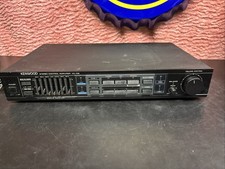
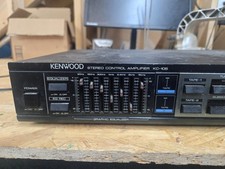
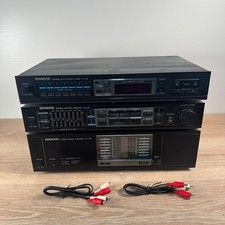
The brand built its legacy on high-quality audio and communications equipment, excelling in home hi-fi amplifiers like the acclaimed 1970 Supreme 1 multichannel model, receivers, tuners, and speakers with innovations such as polypropylene cones. Kenwood also pioneered car audio systems, including the first audio/video amplifier for home theater in 1981 and anti-theft cassette decks, alongside professional two-way radios and amateur transceivers. While maintaining roots in consumer electronics, it expanded into automotive infotainment.
Today, as part of JVCKENWOOD since the 2008 merger with JVC, Kenwood holds a solid mid-tier position in car audio and professional communications, prized by enthusiasts for reliable performance and aftermarket upgrades. Its vintage home hi-fi gear from the 1970s and 1980s commands respect among collectors for robust build and warm sound, though it no longer dominates pure hi-fi markets.