BETA
RADAR is in beta — expect errors. Accuracy and coverage improvements are shipping daily.
LIVE
Waiting for new listings…
0 other audiophiles online

Seller's Description

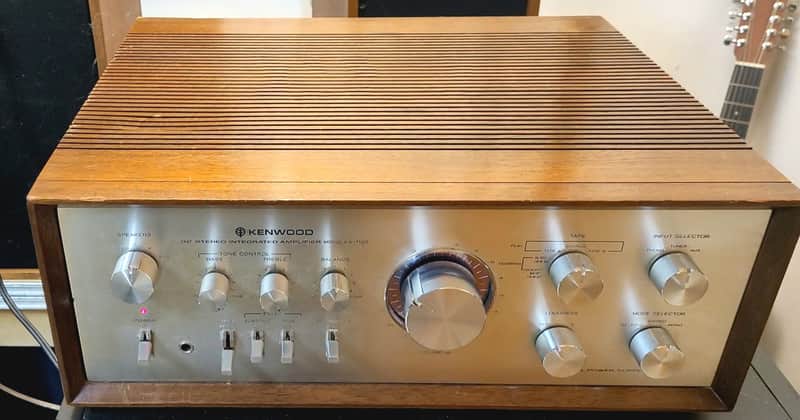
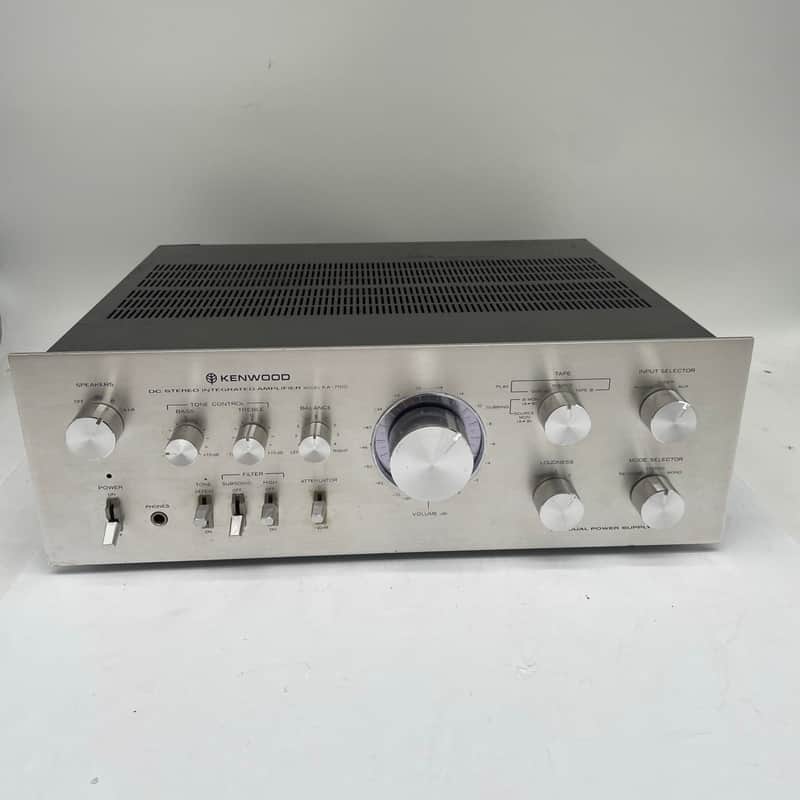
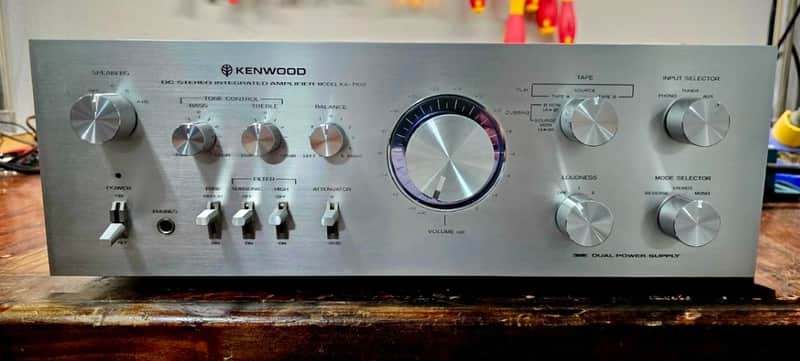
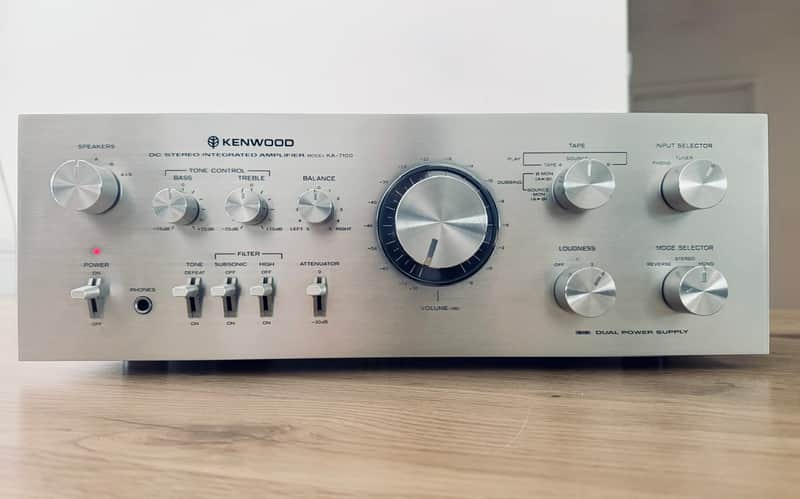
Serviced, clean, all original w/low hours. Extremely rare original walnut case, An expensive option at the time and extremely Well made for a production piece, Featuring pinstripe Extremely finely cut.The unit has been completely gone over, all the potentiometers and all the switches and connections. It is 60 watts per Channel and is actually Superior to the models that have higher numbers in this series. I'm not sure what the number is really mean honestly, this seems to be the one that's the best deal all around, with the best specs and Superior wattage.Wouldn't strips on the top, Apparently made of walnut with a basewood underneath. I did basics to electronics as far as cleaning and inspecting the woodwork, Glue down any loose edges or parts that may come loose in the future. The original rubber feet are present. the sound is amazing!! I fear that it wasn't working when I first got it and plugged it in! But it was a pleasant surprise as it was indeed working and it was indeed extremely quiet. An extremely high fi!Price reflects free shipping, Also available if wanted comma three hundred dollars for the original matching tuner for this model, And another 300 wood get the awesome sounding Fulton Musical Industries, near-field studio monitors featured in the video below. Be sure to check out the video!

Our Thoughts RADAR AI

At US$800, this is above what you’d usually expect for a clean used integrated at this level; against the recent Kenwood market, it sits well over the US$675 upper quartile, so the asking price is ambitious rather than a bargain. Compared with a more common modern replacement at this money, it only makes sense if the example is exceptionally fresh, serviced, and complete.

The draw here is classic Kenwood sound and build: a robust vintage integrated with enough current delivery, straightforward controls, and the kind of honest, no-nonsense presentation many listeners still prefer. It’s worth paying up for only if the unit has been fully checked, all knobs/switches are quiet, and the cosmetic condition is excellent; otherwise, a patient buyer should hold out for a better-priced example.

Independent perspective — not a price guarantee. Always verify condition, accessories and provenance before purchase.

About Kenwood

Kenwood traces its origins to December 21, 1946, when it was founded as Kasuga Radio Co. Ltd. in Komagane City, Nagano Prefecture, Japan, by a group of entrepreneurs led by William "Bill" Kasuga. Emerging in the postwar era, the company initially produced electronic components and amateur radio gear, renaming to Trio Corporation in 1960 before adopting the Kenwood name in 1986 to appeal to Western markets—blending "Ken," a familiar name across Japan and America, with "Wood" evoking durability and Hollywood. This rebranding fueled rapid international growth, starting with a U.S. office in Los Angeles County in 1963.

The brand built its legacy on high-quality audio and communications equipment, excelling in home hi-fi amplifiers like the acclaimed 1970 Supreme 1 multichannel model, receivers, tuners, and speakers with innovations such as polypropylene cones. Kenwood also pioneered car audio systems, including the first audio/video amplifier for home theater in 1981 and anti-theft cassette decks, alongside professional two-way radios and amateur transceivers. While maintaining roots in consumer electronics, it expanded into automotive infotainment.

Today, as part of JVCKENWOOD since the 2008 merger with JVC, Kenwood holds a solid mid-tier position in car audio and professional communications, prized by enthusiasts for reliable performance and aftermarket upgrades. Its vintage home hi-fi gear from the 1970s and 1980s commands respect among collectors for robust build and warm sound, though it no longer dominates pure hi-fi markets.


See all Kenwood listings on RADAR.

More KA-7100 listings