# Aiwa
Aiwa was founded in 1951 in Tokyo, Japan, initially as AIKO Denki Sangyo Co., Ltd., a microphone manufacturer before adopting its now-familiar name in 1959. The brand's name derives from Japanese characters meaning "circle of love," reflecting its mission to deliver quality audio to everyday consumers. Under founder Mitsuo Ikejiri's leadership, Aiwa established itself as a genuine engineering innovator, introducing Japan's first cassette tape recorder in 1964 and expanding aggressively into international markets throughout the 1970s and 1980s. Sony acquired a majority stake in 1969, though Aiwa maintained operational independence and public trading status until 2002.
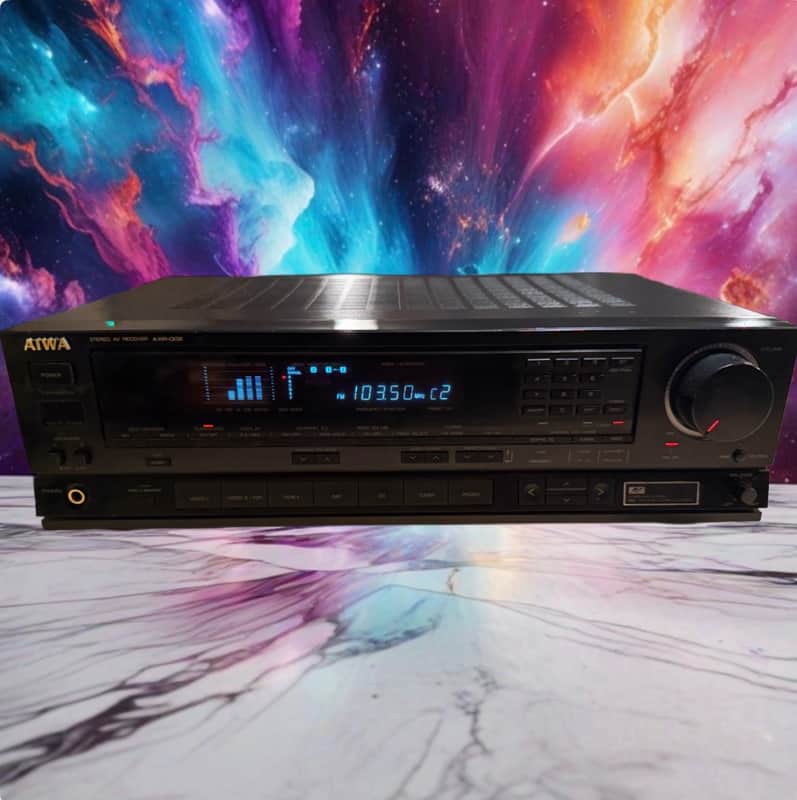
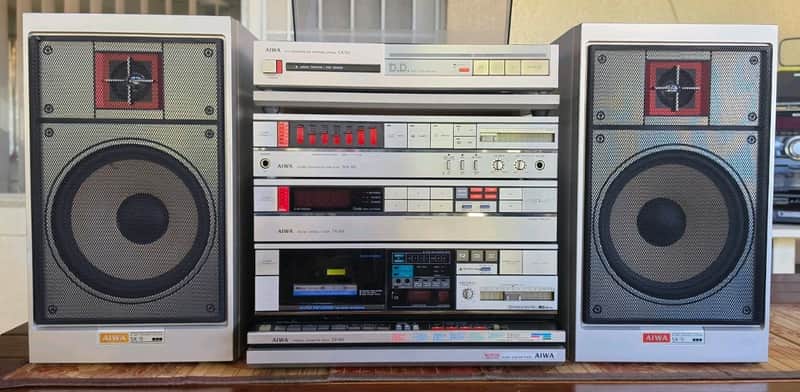
Aiwa built its reputation primarily through cassette decks, tape recorders, and portable audio systems, later expanding into home stereo components, speakers, and headphone stereos. The brand became known for combining professional-grade acoustic engineering with accessible pricing—a positioning that earned consistent praise from audio publications and made Aiwa one of the most recognized consumer electronics names globally by the early 1990s. The company also licensed BBE signal-processing technology for select home audio products beginning around 1989.
The original Aiwa's trajectory declined in the late 1990s. Sony's 2002 acquisition and subsequent rebranding as a youth-focused, PC-centric electronics line proved unsuccessful, leading to discontinuation by 2008. Today's Aiwa represents a fragmented revival: Towada Audio Holdings, a former Sony manufacturing partner, relaunched the brand independently in Japan in 2017. Current Aiwa products span audio, small appliances, and home electronics, though they lack direct connection to the original company's engineering legacy. For vintage enthusiasts, original Aiwa components remain respected collectibles; contemporary offerings occupy the accessible consumer segment.