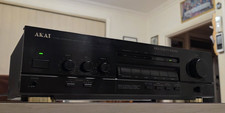
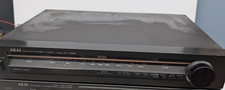
Akai Electric Company Ltd. traces its origins to Japan, founded by engineer Masukichi Akai in Tokyo around 1929, with his son Saburo Akai playing a key role in its early growth. Initially focused on affordable radio components, the firm formalized as a full electronics manufacturer post-World War II, often cited as 1946. By the mid-20th century, Akai had evolved into a prominent name in consumer audio, peaking in the 1970s before financial troubles led to its exit from the industry in 1991.
The brand built its legacy on high-quality tape-based audio gear, including reel-to-reel tape recorders, cassette decks, tuners, amplifiers, and complete stereo systems that brought professional-grade sound to homes. In the late 1980s, Akai Professional revolutionized music production with the MPC series—starting with the 1988 MPC60, co-designed by Roger Linn—integrating sampling, sequencing, and velocity-sensitive pads into compact workstations that defined hip-hop and electronic genres.
Today, Akai holds a revered vintage-collector status among hi-fi enthusiasts for its robust 1970s components, prized for their warm analog character and build quality. In the pro audio realm, the MPC line endures as an iconic, mid-to-high-end tool for beatmakers, with modern iterations sustaining the brand through licensing. While not a current leader in traditional hi-fi like amplifiers or speakers, its heritage appeals to savvy buyers seeking timeless reliability over fleeting trends.