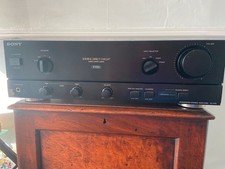
JVC, originally founded on September 13, 1927, in Yokohama, Japan, as the Victor Talking Machine Company of Japan, emerged as a subsidiary of the American Victor Talking Machine Company. It quickly established itself in phonograph and record production, becoming a leader in turntables within its first few years. After RCA acquired the parent company in 1929, JVC expanded into radios and introduced Japan's first domestically produced television in 1939, laying the foundation for its enduring legacy in consumer electronics.
The brand's product focus has historically centered on audio and video playback devices, starting with phonographs and evolving through radios, televisions, and the revolutionary VHS videocassette recorder launched in 1976, which became the global standard over Sony's Betamax. In hi-fi realms, JVC gained renown for amplifiers, speakers, turntables, and components like tuners, while later offerings included headphones and car audio systems. Following its 2008 merger with Kenwood to form JVCKenwood, it continued blending audio expertise with broader electronics.
Today, JVC occupies a solid mid-tier position in the hi-fi market, prized by enthusiasts for reliable, value-driven performance rather than ultra-high-end exclusivity. Its vintage gear, particularly from the wood-case amplifier era and early digital components, attracts collectors, while modern lines deliver competent sound without boutique pricing. This accessible heritage makes JVC a dependable choice for knowledgeable buyers seeking proven Japanese engineering.