LIVE
Waiting for new listings…
0 other audiophiles online

Seller's Description

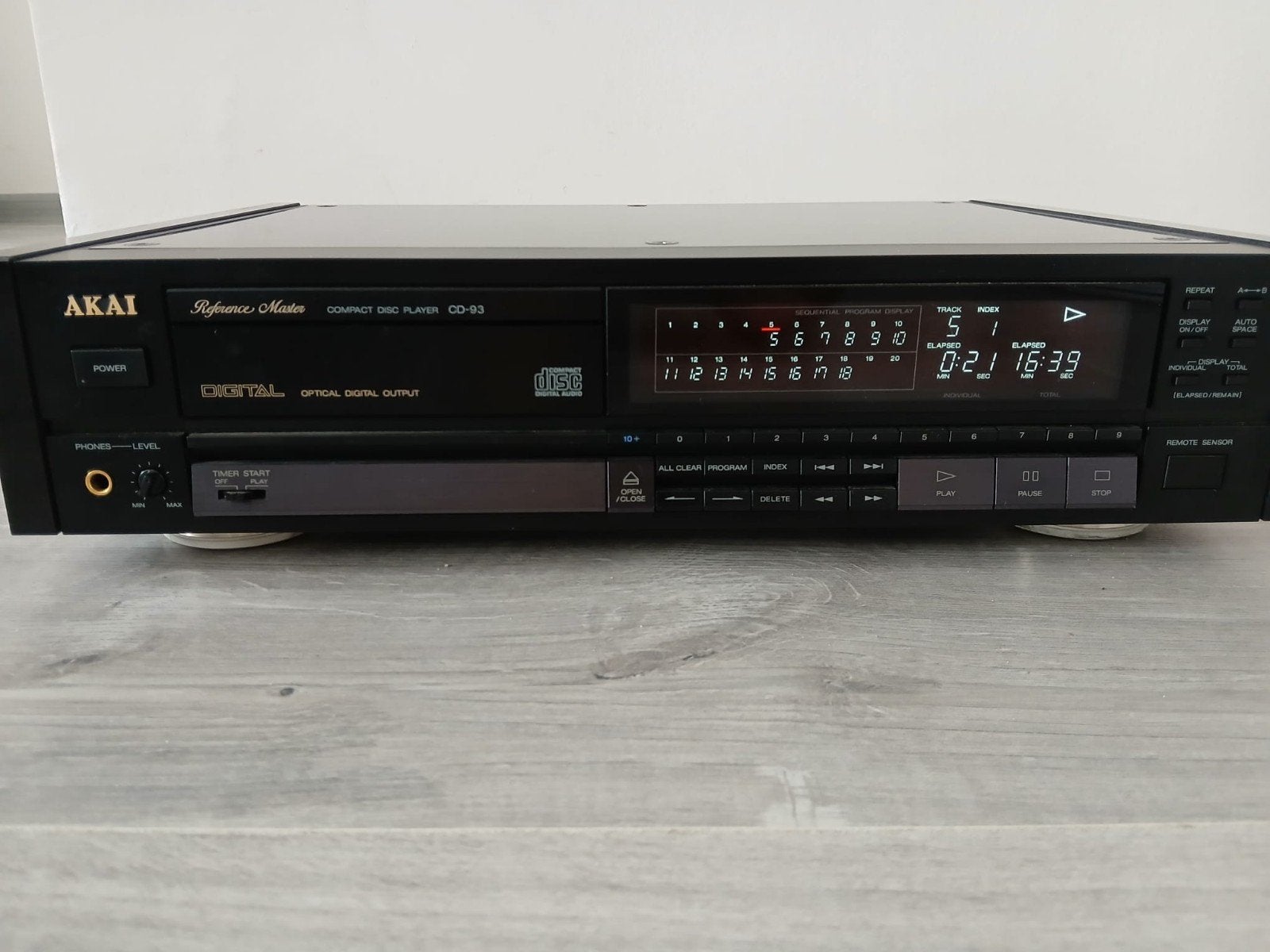
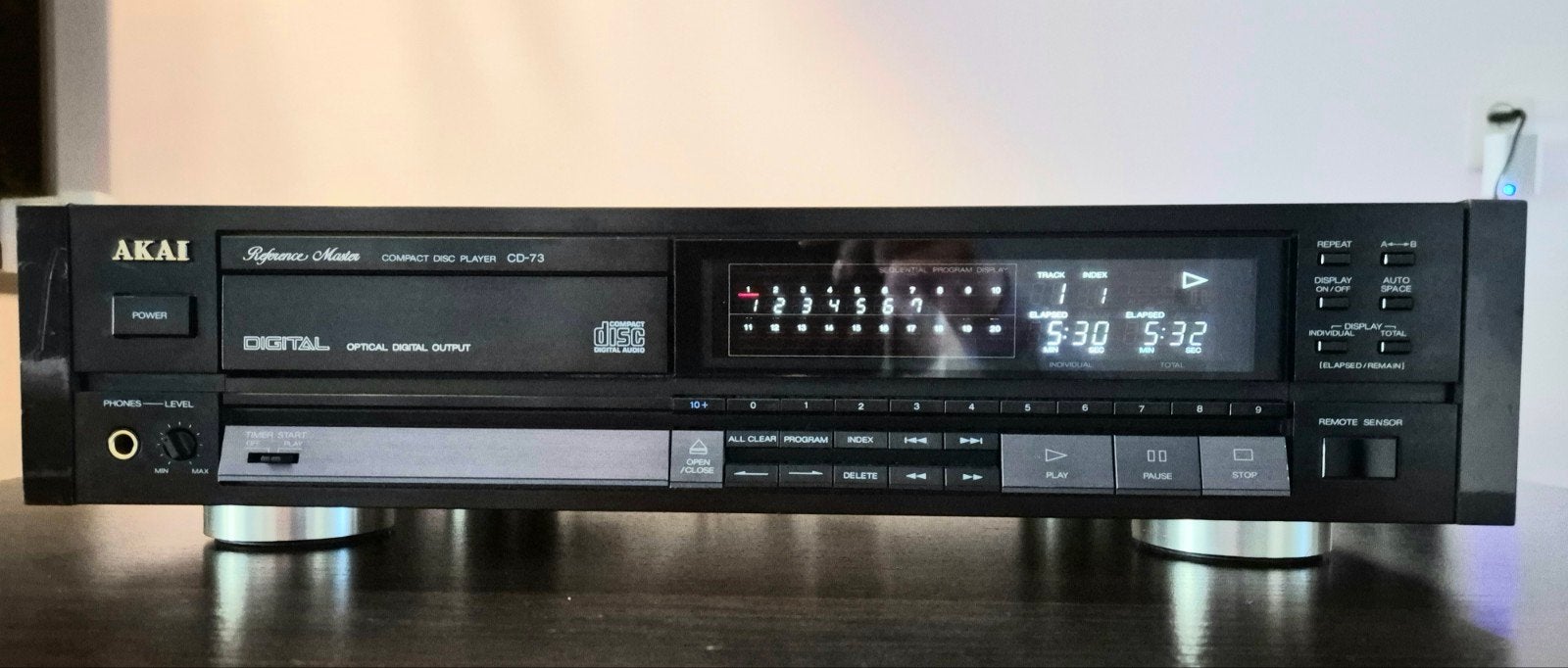
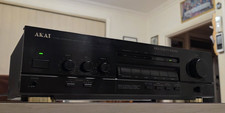
VINTAGE AKAI STEREO MUSIC AMPLIFIER_____________________________________________WAS ONLY USING IT FOR CD PLAYER/AUX PHONO IS WORKINGPHONO...AUX..CD INPUTS4 SPEAKER CHANNELSA OR B OR A+B 8 OHM 35 WATTS RMS PER CHANNEL AT 8 OHMIN VERY NICE CONDITION/MINOR MARKSCOMES WITH POWER CORDCAN POS OR PICK UP IS AVAILABLECHECK OUT MY OTHER AUDIO ITEMS!Continuous Power Output (RMS): 35 watts per channel into 8Ω (both channels driven, 20Hz to 20kHz)Total Harmonic Distortion (THD): Less than 0.05%Damping Factor: 35Speaker Load Impedance: 8Ω to 16Ω

Our Thoughts RADAR AI

At USD 182, this is a strong deal against the comparable market: it sits below the USD 195 median and comfortably above the USD 100 lower quartile, making the price attractive even without a confirmed model number. The “made in Japan” description helps, but the broad listing makes exact benchmarking difficult; still, USD 182 is plainly not an ambitious ask.

The appeal is the useful all-in-one layout: phono for a turntable, CD, AUX, and tape connections in a single integrated amplifier. Akai’s vintage Japanese components can offer enjoyable, unfussy everyday listening and good system-building value when the controls and inputs are healthy. Before buying, confirm the exact model, output power, phono-channel operation, speaker terminals, remote or accessories, and whether both channels remain clean after warming up. At this price, a working example looks like a worthwhile opportunity.

Independent perspective — not a price guarantee. Always verify condition, accessories and provenance before purchase.

About Akai

Akai Electric Company Ltd. traces its origins to Japan, founded by engineer Masukichi Akai in Tokyo around 1929, with his son Saburo Akai playing a key role in its early growth. Initially focused on affordable radio components, the firm formalized as a full electronics manufacturer post-World War II, often cited as 1946. By the mid-20th century, Akai had evolved into a prominent name in consumer audio, peaking in the 1970s before financial troubles led to its exit from the industry in 1991.

The brand built its legacy on high-quality tape-based audio gear, including reel-to-reel tape recorders, cassette decks, tuners, amplifiers, and complete stereo systems that brought professional-grade sound to homes. In the late 1980s, Akai Professional revolutionized music production with the MPC series—starting with the 1988 MPC60, co-designed by Roger Linn—integrating sampling, sequencing, and velocity-sensitive pads into compact workstations that defined hip-hop and electronic genres.

Today, Akai holds a revered vintage-collector status among hi-fi enthusiasts for its robust 1970s components, prized for their warm analog character and build quality. In the pro audio realm, the MPC line endures as an iconic, mid-to-high-end tool for beatmakers, with modern iterations sustaining the brand through licensing. While not a current leader in traditional hi-fi like amplifiers or speakers, its heritage appeals to savvy buyers seeking timeless reliability over fleeting trends.


See all Akai listings on RADAR.

More Akai listings