BETA
RADAR is in beta — expect errors. Accuracy and coverage improvements are shipping daily.
LIVE
Waiting for new listings…
0 other audiophiles online

Seller's Description

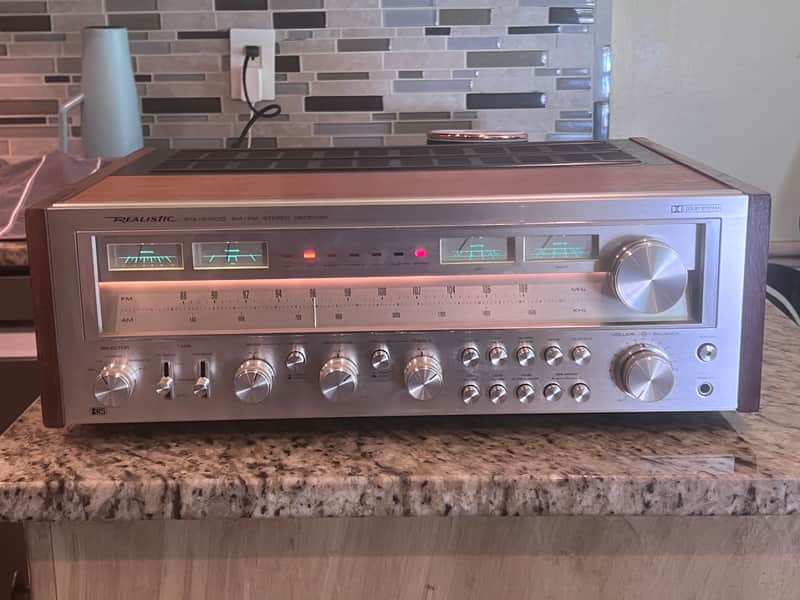
Replaced Lamps with LEDs

Cleaned all Controls and Switches 

Aligned FM

Checked Bias

Specifications

Tuning range: FM, MW

Power output: 7 watts per channel into 8Ω (stereo)

Frequency response: 20Hz to 30kHz

Total harmonic distortion: 1%

Input sensitivity: 2.5mV (MM), 150mV (line)

Signal to noise ratio: 60dB (MM)

Speaker load impedance: 4Ω to 16Ω

Dimensions: 16 x 5 x 10-7/8 inches

Weight: 14lbs

Finish: walnut veneer case

Year: 1973

Our Thoughts RADAR AI

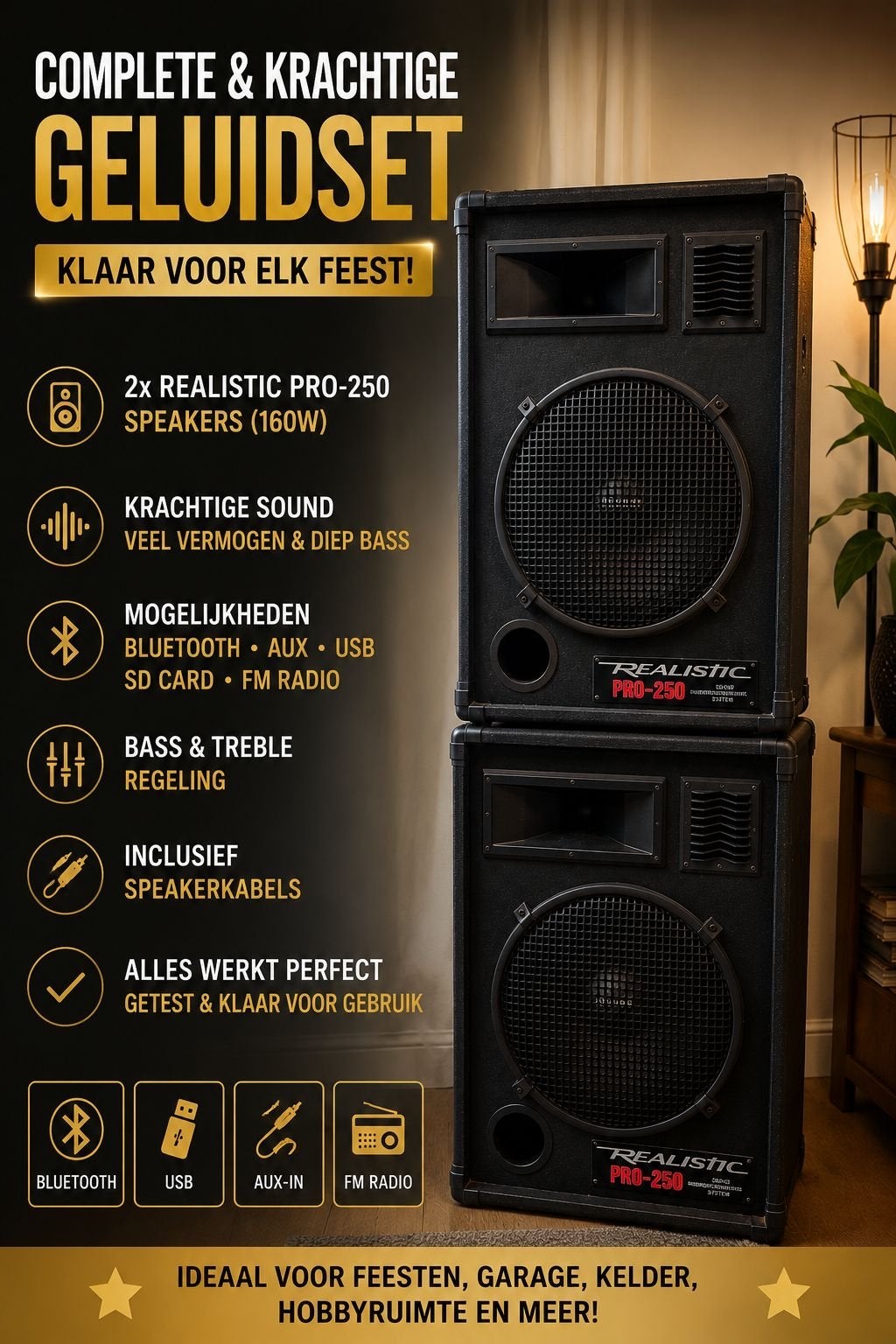
At US$275, this is hard to benchmark confidently because the title reads like a bundle/accessories listing and the search results don’t pin down a clean recent market for the STA-14 itself. In that uncertainty, the price is only defensible if the package is genuinely complete, tested, and includes the right cables and original bits; otherwise it feels ambitious for an unverified vintage receiver.

The upside is that Realistic gear from this era can be a satisfying buy when it’s intact: straightforward, musical, and often better built than the price suggests. If the unit powers up cleanly, the controls are quiet, and the accessories are truly useful rather than filler, it could still be a decent pickup for a collector or a first vintage system.

Independent perspective — not a price guarantee. Always verify condition, accessories and provenance before purchase.

About Realistic

Realistic emerged as the house brand of Radio Shack, founded in Boston in 1921 by two brothers to serve ham radio enthusiasts and ship radio operators. The company entered the high-fidelity market in 1947 with the nation's first audio showroom for comparing amplifiers, speakers, and turntables. In 1954, Harman Kardon proposed private-label gear under the name "Realist," but a lawsuit from the Realist Camera Company prompted a swift rebrand to Realistic, which Radio Shack used until 2000 after Tandy Corporation's acquisition.

Realistic spanned a broad array of consumer audio categories, including amplifiers like the "Little Jewel" series, speakers manufactured initially by Tandy in Texas and later by Japan's Sun, turntables, reel-to-reel and 8-track tape recorders, plus CB radios and accessories. The lineup emphasized accessible hi-fi components, often sourced from reputable OEMs, alongside entry-level hobbyist gear that filled Radio Shack catalogs and stores.

Positioned as a mid-tier, budget-friendly option, Realistic earned a devoted following among 1970s audiophiles for reliable performance at mass-market prices, though it never rivaled high-end marques like Dynaco or McIntosh, which Radio Shack also stocked. Today, it holds strong vintage-collector appeal for its nostalgic role in democratizing hi-fi, with survivors prized for modifiable circuits and sturdy builds despite the brand's discontinuation.


See all Realistic listings on RADAR.

More STA-14 listings