BETA
RADAR is in beta — expect errors. Accuracy and coverage improvements are shipping daily.
LIVE
Waiting for new listings…
0 other audiophiles online

Our Thoughts RADAR AI

Price Assessment

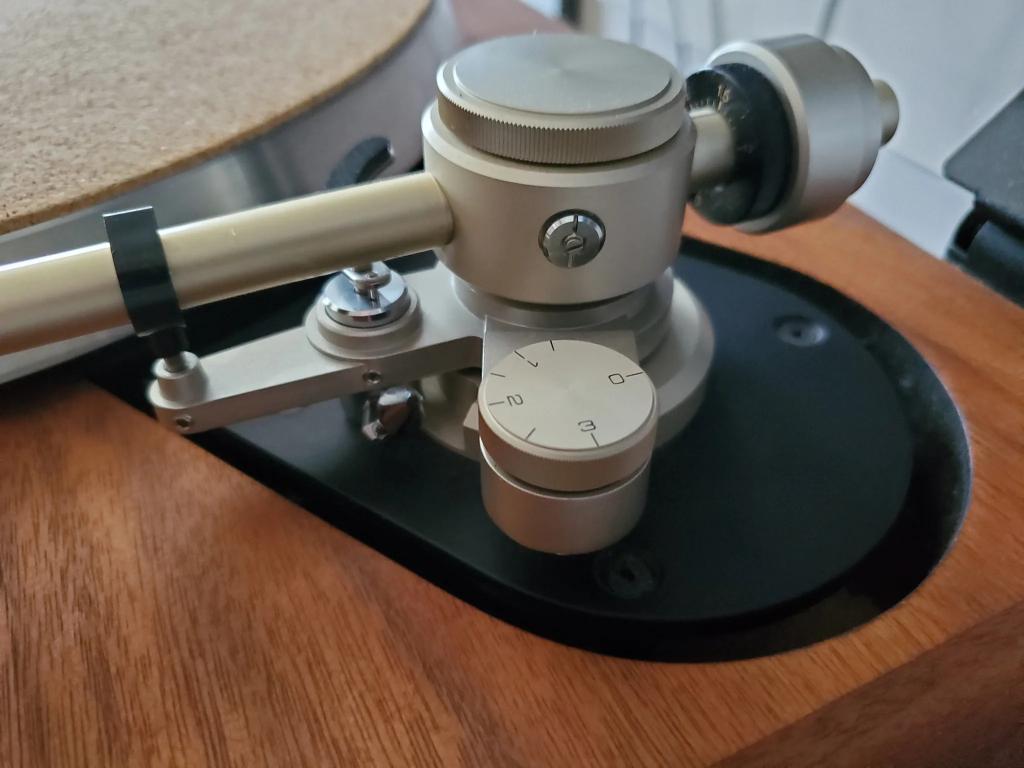
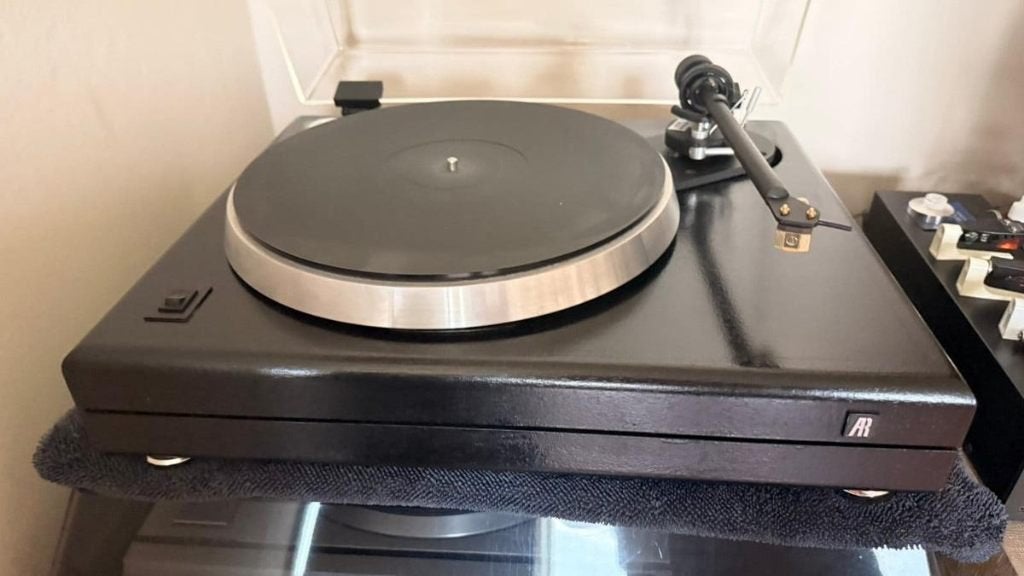
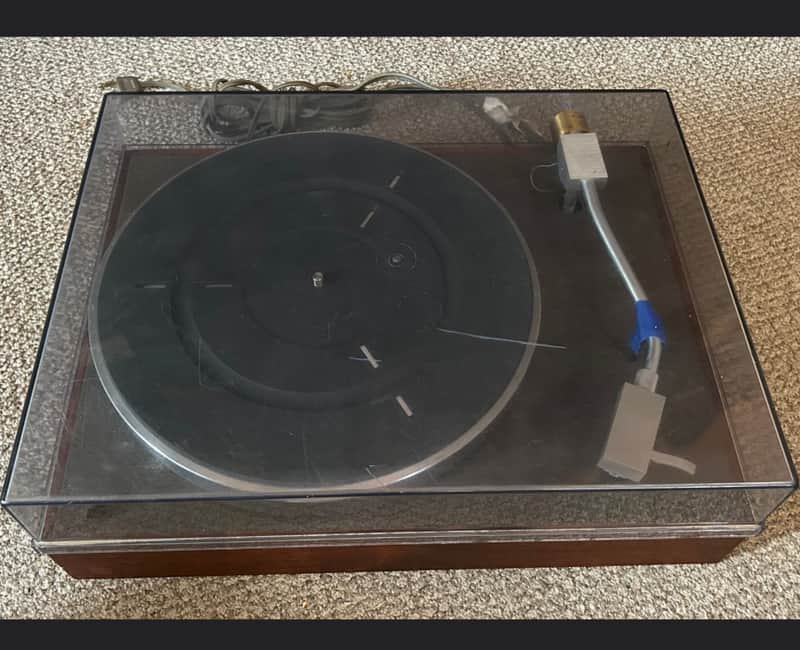
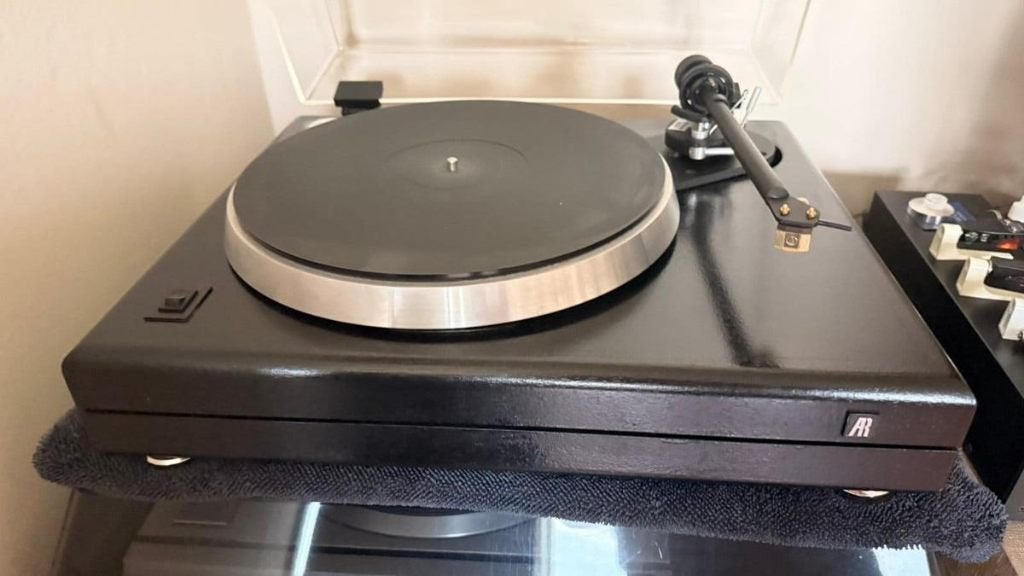
At USD $816, this ES-1 is tracking toward the ambitious end of the market. Comparable examples from the late 1980s typically move in the USD $400–650 range for solid working units with original arms, and USD $300–500 without. The Grace F9 cartridge adds value—it's a respected moving-magnet design that commands USD $150–250 on its own—but that premium doesn't fully justify the asking price unless the turntable itself is in exceptional condition. Cherry finish examples are slightly less common than walnut, which might account for a modest bump, but USD $816 assumes everything is pristine and the motor runs dead-silent.

What to Verify

Before committing, confirm the motor runs at correct speed with zero cogging or grinding noise; these synchronous motors are reliable but age brings wear. Check that the platter spins freely and the bearing isn't loose or worn—a wobbly platter is a red flag. Verify the original MDF bottom board is present; it's not critical to function but affects resale value. Ask the seller whether the belt is original or recently replaced; if original, budget for a new one soon. Finally, confirm the Grace F9 is functioning and tracks properly at the stated stylus pressure—cartridge condition matters more than the turntable's cosmetics at this price point.

Independent perspective — not a price guarantee. Always verify condition, accessories and provenance before purchase.

About Acoustic Research

Acoustic Research (AR) emerged from Cambridge, Massachusetts, in 1954, founded by audio pioneer Edgar Villchur and his student Henry Kloss. Villchur, an inventor, researcher, and educator, developed the groundbreaking acoustic suspension loudspeaker principle, patented in 1956, which enabled compact speakers with deep, distortion-free bass. Their debut AR-1 model, unveiled at the 1954 New York Audio Show for $185, revolutionized the industry by shrinking enclosure sizes by up to 75 percent while delivering superior performance, setting the stage for AR's rapid ascent.

The brand focused primarily on loudspeakers, pioneering acoustic suspension designs like the AR-1, AR-2, AR-3 series, and compact bookshelf models such as the AR-4, which appealed to students and families. AR expanded into turntables, including the enduring AR Turntable still prized by vinyl enthusiasts, alongside other stereo components. This emphasis on innovative speakers with flat response, wide dispersion, and extended bass defined their catalog, prioritizing engineering over aesthetics.

AR commanded peak dominance in 1966 with over 32 percent of the U.S. loudspeaker market—the largest share any hi-fi company has achieved—earning reverence for natural sound reproduction and robust build quality. Now owned by VOXX and shifted toward lower-end accessories, its vintage products remain collector icons, embodying mid-century high-fidelity excellence for discerning buyers seeking timeless accuracy.


See all Acoustic Research listings on RADAR.

More ES-1 listings