BETA
RADAR is in beta — expect errors. Accuracy and coverage improvements are shipping daily.
LIVE
Waiting for new listings…
0 other audiophiles online
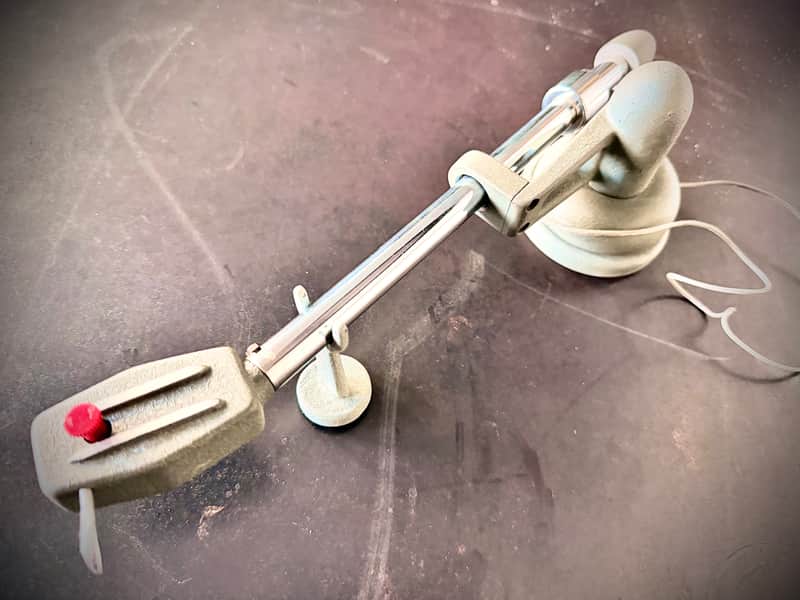
Rare bras lecture "Film et Radio" Cellule General Electric GE RPX mono pour Garrard "T" ou 301
General Electric 4 views

Rare bras lecture "Film et Radio" Cellule General Electric GE RPX mono pour Garrard "T" ou 301

USD$242
Location
US
Source
Reverb
Posted
5 Apr 2026
Last seen
1d ago

RADAR is a price search engine. We link to the original listing — we never sell direct. Transactions happen on the source site.

Seller's Description

Bras de lecture Film et Radio complet avec sa cellule General Electric RPX d’époque. Ensemble vintage rare, monté sur platine Garrard Model T ou Garrard 301, destiné à la lecture mono et particulièrement adapté aux 78 tours.Le bras est un modèle ancien à conception robuste, avec forte masse effective, prévu pour cellules à fort appui et lecture d’époque. La cellule GE RPX est une référence recherchée dans l’univers des montages mono vintage.État visuel correct pour son âge, vendu en l’état. Idéal pour collection, restauration ou remise en service sur platine compatible.Fonctionne trés bien ampli Mcintosh source Nad source Luxman source Scott Marantz source Pioneer Sony Teac Edison source Kenwood JVC Proton Toshiba source Sanyo Sansui Denon Schneider Dual source Mitsubishi Rotel Grundig source Yamaha Naim YBA source Harman Kardon B&O

Our Thoughts RADAR AI

This is a tonearm and cartridge assembly, not a standalone turntable—a crucial distinction for pricing. The GE RPX cartridge is a solid vintage mono unit, and a proper Film et Radio tonearm (designed for broadcast/transcription use) paired with it represents genuine pro-audio heritage. At USD$269, you're looking at fair-to-good value for a complete, functional vintage arm-cartridge combo in working condition. Comparable used mono arms and period cartridges typically trade USD$150–400 depending on condition and rarity; this sits comfortably in that range, though the asking price assumes both pieces are in honest working order.

Before committing, verify that the tonearm tracks smoothly without play in the pivot and that the cartridge body shows no cracks or corrosion—mono cartridges from this era are robust but can suffer from oxidized contacts or worn styli. Confirm the arm's effective mass and compliance specs match your turntable (whether Garrard T or 301); these details matter for proper tracking force and resonance control. Ask the seller whether the original stylus is present and playable, or budget an additional USD$30–80 for a quality replacement if you plan to actually use it.

Independent perspective — not a price guarantee. Always verify condition, accessories and provenance before purchase.

About General Electric

General Electric, the American multinational conglomerate founded in 1892 through the merger of Edison General Electric and Thomson-Houston Electric, traces its roots to the dawn of the electrical age. Emerging from Thomas Edison's innovations in power generation and lighting, GE quickly expanded into radio and electronics, notably by acquiring the Marconi U.S. subsidiary in 1919 to form RCA, the dominant force in consumer radio receivers through the mid-20th century. This heritage positioned GE as a pioneer in electrical engineering, with early forays into broadcasting stations and vacuum tube production that laid the groundwork for its audio legacy.

In hi-fi circles, GE stands out for its vintage vacuum tubes, particularly the renowned 5-Star series like the 12AX7, developed in the mid-1940s from military-spec designs acquired via the 1945 purchase of Kentucky Radio Company's Ken-Rad brand. These tubes powered aviation communications, broadcast gear from makers like Gates and Fairchild, and iconic Fender guitar amps such as the Princeton, defining the raw tone of American rock and blues from the late 1940s to the early 1960s. While GE produced rack-mounted audio panels and amplifiers into the 1950s, its consumer hi-fi output was limited compared to full systems.

Today, GE holds a cherished niche among vintage collectors and tube enthusiasts, prized for the linear response, quiet operation, and warm sonics of its 5-Star tubes rather than modern high-end gear. No longer active in consumer audio, its components command premium prices in the aftermarket, appealing to restorers and boutique amp builders seeking authentic mid-century American sound.


See all General Electric listings on RADAR.

More General Electric listings