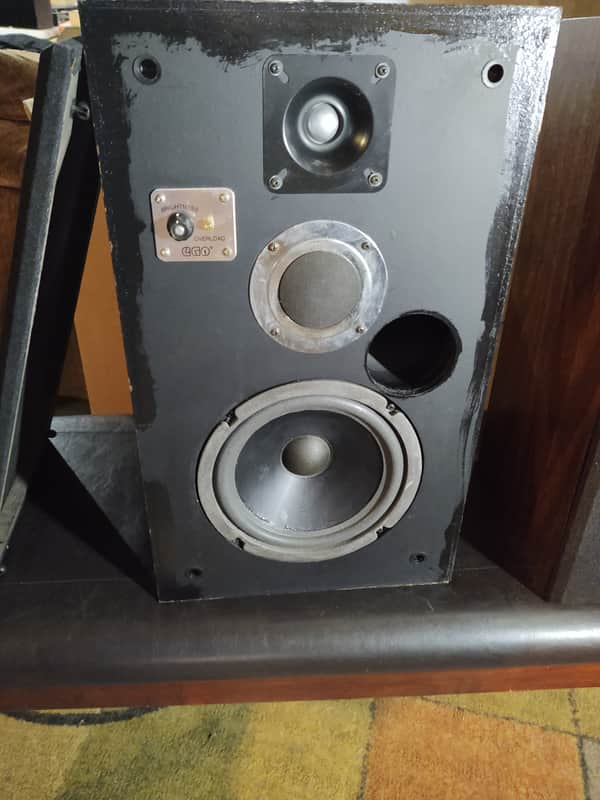
Ego 3 way speaker no model 1980s - Wood
- Condition
- Good
- Location
- US
- Source
- Reverb
- Posted
- 8 Apr 2026
- Last seen
- 1d ago
RADAR is a price search engine. We link to the original listing — we never sell direct. Transactions happen on the source site.
This speakers are made by lesser known company from the 70s and 80s called Ego. I was unable to identify the model but they are traditional 3 way speakers with a Brightness control on the front. Cabinets and grills are in good condition given their age. Speaker terminals in back are delicate. Other than that they work and sound great. Produce a full sound comparable to much bigger speakers of the same era like JBL or Marantz. Very rare.
Buyer Note: Marantz Ego 3-Way Speaker (1980s)
Should you bet USD$333 on a forty-year-old speaker without knowing its exact model? That's the real question here. Against our comparable sales data—median USD$1,678, with a range from USD$607 to USD$1,785—this asking price looks suspiciously low, which either signals a genuine deal or a red flag. Vintage Marantz speakers from the 1980s can command solid money if they're the right model and in working condition, but the missing model designation makes confident pricing impossible. If this is a desirable variant, USD$333 could be a steal; if it's a lesser model or damaged, you're overpaying.
Before committing, verify the exact model number (usually on the back or inside the cabinet) and cross-reference its reputation. Listen for any crackling, distortion, or dead drivers—cone rot and voice-coil failure are common in speakers this age. Check that the wood cabinet isn't warped or water-damaged, and confirm all original components are present. Ask whether the crossovers have been recapped; if not, that's often the first thing an experienced buyer does anyway.
Independent perspective — not a price guarantee. Always verify condition, accessories and provenance before purchase.
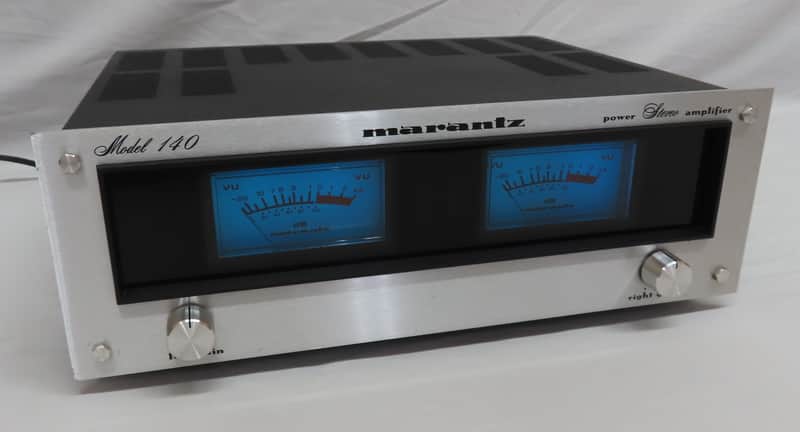
Marantz originated in the United States, founded in 1953 by Saul Bernard Marantz, a music enthusiast and amateur musician born in Brooklyn in 1911. Dissatisfied with the audio equipment of the era, he crafted the groundbreaking Audio Consolette preamplifier in 1952 from his New York home, selling the first 100 units rapidly and prompting the formal establishment of the company in Woodside, Queens. Though production later shifted to Japan in partnership with manufacturers like Standard Radio in 1966, and the brand evolved through ownership changes including Superscope and eventual integration into larger groups, its heritage remains rooted in American ingenuity and a relentless pursuit of musical fidelity.
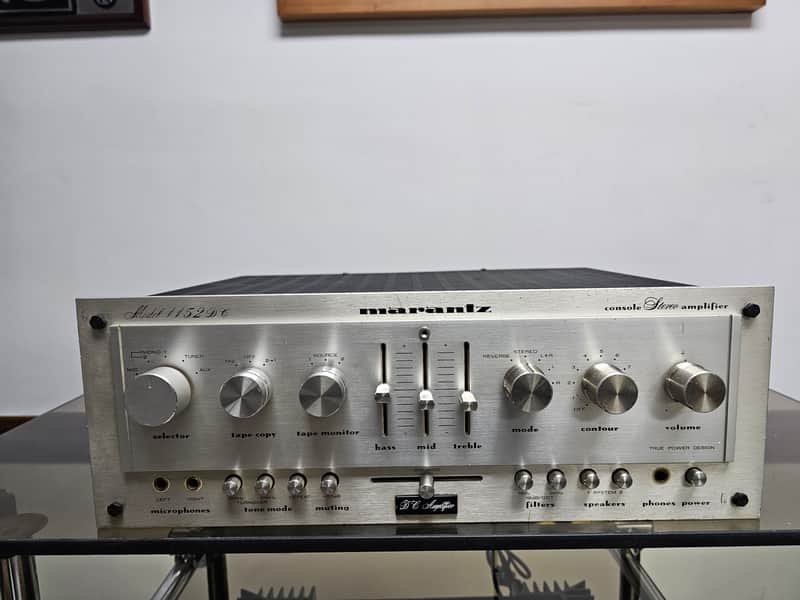
The brand excels in high-end audio components, particularly amplifiers, preamplifiers, and integrated systems that defined its golden era. Iconic models like the Model 7 preamplifier (1958), Model 9 power amplifier (1960), and Model 10B tuner (1964) set benchmarks for performance, while later offerings expanded to tuners, receivers, and CD players. Marantz briefly ventured into speakers under designer Ed May in the 1970s but focused primarily on electronics rather than turntables, headphones, DACs, or cables, emphasizing separates renowned for their "Most Musical Sound."
Marantz commands a premium position in the hi-fi market, revered as a high-end pioneer that shaped the audiophile landscape through the 1970s zenith. Today, it blends vintage allure with modern elegance, appealing to discerning buyers who value durability, innovation, and warm, detailed sound signatures over mass-market accessibility.

See all Marantz listings on RADAR.