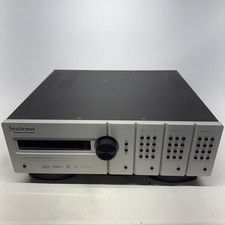
Lexicon was founded in 1971 in Waltham, Massachusetts, by MIT professor Dr. Francis F. Lee and engineer Chuck Bagnaschi, who initially developed digital audio devices for medical applications before pivoting to music production technology. The company's heritage is rooted in pioneering the digital audio revolution at a time when analog processing dominated the industry. This foundation established Lexicon as a forward-thinking innovator from its inception, positioning the brand at the forefront of technological advancement in professional audio.
Lexicon is renowned primarily for digital effects processing, particularly reverb and delay systems that became industry standards. The company's breakthrough came with the 1978 introduction of the Lexicon 224 Digital Reverberator, which revolutionized studio recording by delivering high-quality digital reverb at roughly half the cost of competing systems. Beyond reverb processors, Lexicon expanded into digital audio interfaces like the 300 and 480L, and later developed premium audio systems for luxury automobiles including Rolls-Royce, Hyundai, and Kia models. The brand's product ecosystem reflects its dual focus on professional studio equipment and high-end consumer applications.
Lexicon occupies the premium professional and high-end consumer segment, commanding respect as the gold standard in digital audio processing. The company's algorithms remain benchmarks in the industry, with its distinctive reverb signature audible across decades of classic recordings. Lexicon's influence is substantial—the brand claims involvement in approximately 80 percent of the world's recorded music. Now operating under Harman International (a Samsung subsidiary) since 1993, Lexicon continues to innovate while maintaining its legacy as the defining force in digital reverb technology and a cornerstone of professional audio production worldwide.