BETA
RADAR is in beta — expect errors. Accuracy and coverage improvements are shipping daily.
LIVE
Waiting for new listings…
0 other audiophiles online

Our Thoughts RADAR AI

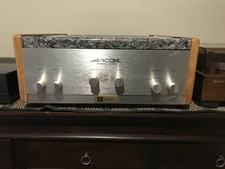
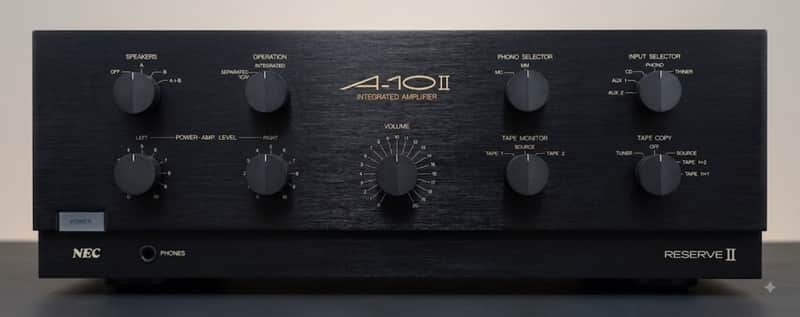
# NEC A-10 Integrated Amplifier – Buyer Notes

Price Assessment

At AUD 3,651, this asking price is ambitious for a 1983 NEC A-10. These Japanese integrated amps rarely command strong secondary-market premiums; comparable vintage integrated amplifiers from the same era typically move in the AUD 800–2,000 range depending on condition and provenance. The A-10's 60 watts per channel and solid build quality are respectable, but there's no collector cachet or sought-after sonic signature that justifies a three-figure markup over fair market value. Unless the unit is in pristine, fully serviced condition with original documentation and packaging, you're looking at an overpriced listing.

What to Verify

Before committing, confirm the amp has been recapped—electrolytic capacitors from 1983 are almost certainly degraded or failing by now, and a full recap from a qualified tech runs AUD 600–1,200. Listen for hum, distortion, or channel imbalance at moderate volumes. Check that all inputs (RCA, possibly phono) are clean and functional, and that the volume pot doesn't scratch or cut out. Request photos of the interior to assess corrosion or component condition; if the seller won't provide them, walk away.

Independent perspective — not a price guarantee. Always verify condition, accessories and provenance before purchase.

About NEC

NEC, short for Nippon Electric Company, was founded in Tokyo, Japan, in 1899 as a joint venture with Western Electric. While best known globally for telecommunications, computing, and semiconductors, NEC also built a serious consumer-audio business during the 1970s and 1980s, when Japanese electronics firms were competing hard in hi-fi.

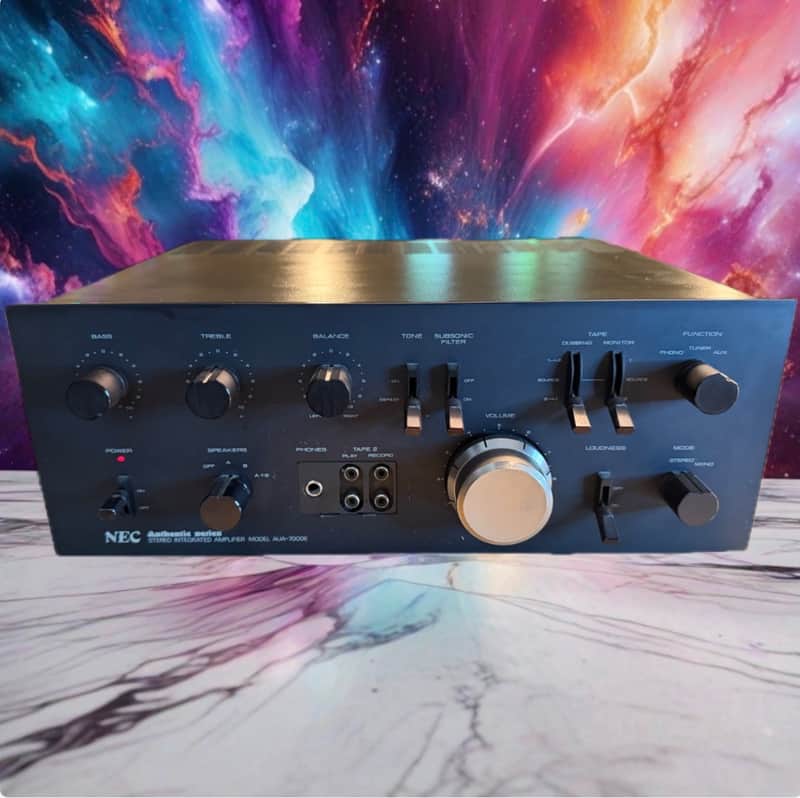
In audio, NEC was associated mainly with integrated amplifiers, preamplifiers, receivers, tuners, and some source components, including turntables in certain markets. Its best-known enthusiast line was the Authentic series, which was positioned around clean, low-noise, technically refined amplification rather than flashy styling or mass-market breadth. NEC was not a major loudspeaker or headphone brand, and it was never especially identified with cables or modern digital audio gear.

Today, NEC’s audio reputation is largely vintage and collector-driven. The brand is respected for underrated, well-engineered Japanese hi-fi from the classic era, especially among buyers who value solid build and an understated, neutral presentation. It sits more in the niche vintage-audiophile category than in the mainstream high-end, and its audio legacy is stronger among collectors than in current retail hi-fi.


See all NEC listings on RADAR.

More A-10 listings