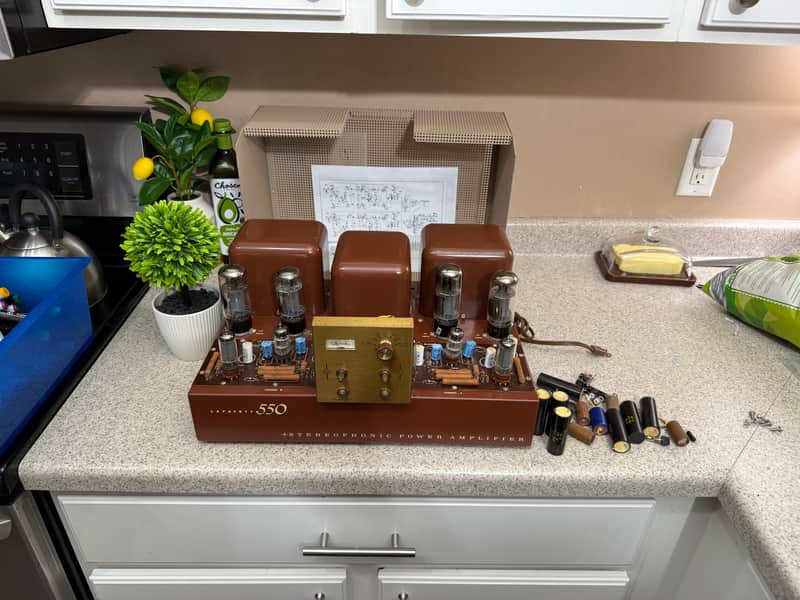
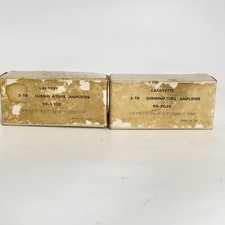
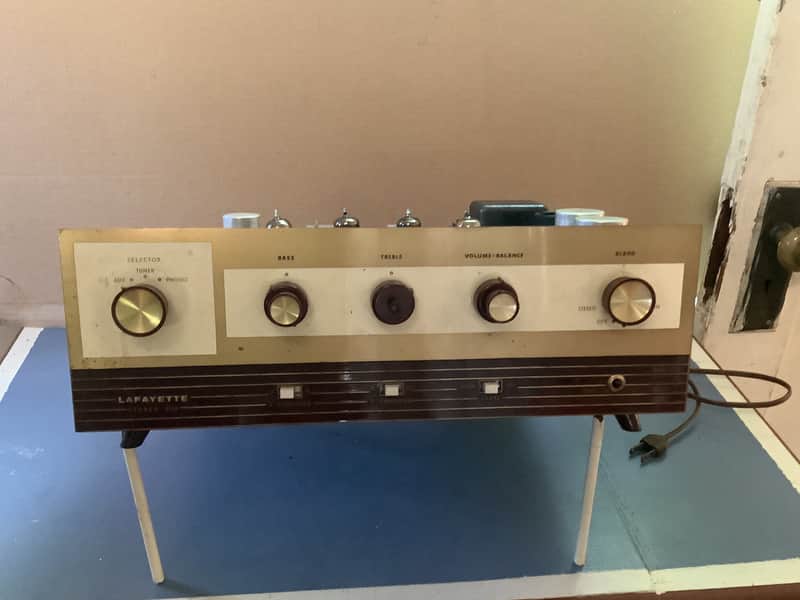
Lafayette Radio Electronics stands as a pivotal figure in American audio retail history. Founded in 1931 as the branded division of Wholesale Radio Service Company—itself established in the early 1920s by Abraham Pletman in New York City—Lafayette evolved from a supplier of radio components for hobbyists into a comprehensive electronics retailer. Headquartered in Syosset, New York, the company operated until 1981, serving as an introduction to high-fidelity systems for generations of American consumers through both mail-order catalogs and company-owned retail locations.
Lafayette's product portfolio reflected its role as a democratizing force in audio. Beyond amateur radio equipment and citizen's band radios, the company embraced emerging formats with characteristic agility—from open-reel tape recorders to 8-track cartridges, compact cassettes, and notably, quadraphonic systems during the mid-1970s. Lafayette marketed its own branded components under the Lafayette and Criterion labels, sourcing heavily from Japanese manufacturers. Their retail stores featured dedicated sound rooms where customers could audition complete systems, a significant advantage in an era when hands-on experience was rare outside major urban centers.
Lafayette occupied the accessible mid-market tier rather than the high-end segment. The company's reputation rested on affordability, quality, and comprehensive selection—offering equipment from established manufacturers like Stromberg-Carlson, University, and Bogen alongside house brands. Their detailed catalogs and willingness to stock components unavailable through local dealers made them indispensable to serious enthusiasts and casual buyers alike. Today, Lafayette represents a nostalgic touchstone for vintage audio collectors and a testament to mail-order retail's influence on consumer electronics culture.