Hitachi is a Japanese electronics giant founded in 1910 by engineer Namiya Iwafune, who began the company as a small workshop producing electric motors. Over the decades, Hitachi grew into a diversified conglomerate whose industrial and component expertise laid the groundwork for its later entry into consumer audio and video. By the 1970s, the company had established itself as a serious player in the home electronics market, leveraging its engineering heritage to build a reputation for robust, well‑engineered products.
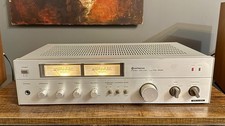
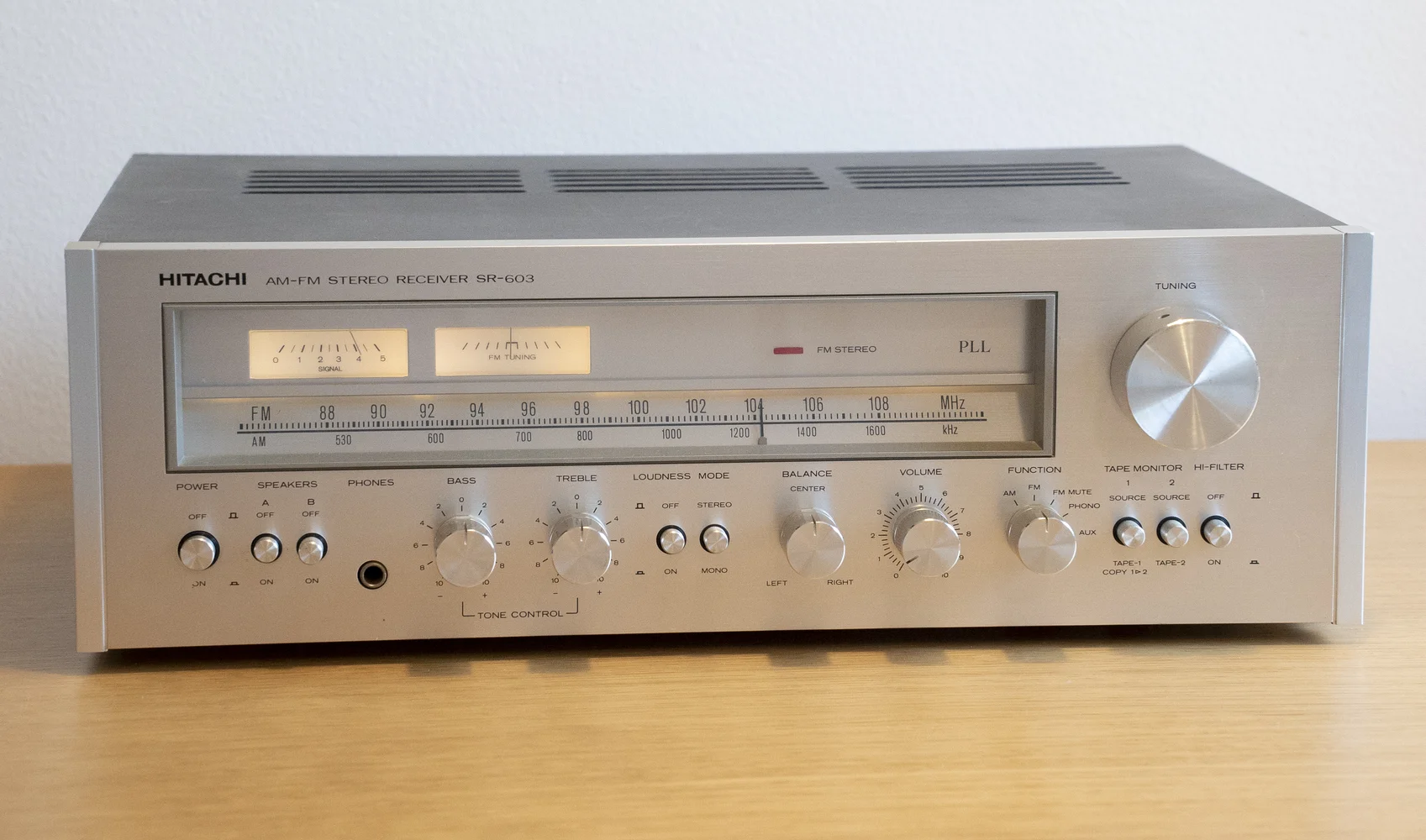
In the hi‑fi and AV space, Hitachi is best known for integrated amplifiers, power amplifiers, cassette decks, and later CD players and DVD‑based equipment. The brand also produced televisions, VHS and DVD camcorders, and a small range of portable audio devices such as MP3 players. Its audio components often carried the “Lo‑D” designation, signalling low‑distortion circuitry and a focus on clean, transparent sound. Hitachi’s speakers from the 1970s and 1980s, in particular, are still praised by enthusiasts for their balanced, engaging presentation.
Today, Hitachi is regarded less as a dedicated high‑end marque and more as a respected mid‑tier brand with a strong vintage following. Its classic separates and cassette decks are sought after by collectors and second‑hand buyers who value their build quality and straightforward, musical performance. While Hitachi no longer dominates the hi‑fi mainstream, its legacy remains visible in the continued interest in its older components and in the broader influence of Japanese engineering on modern audio design.