BETA
RADAR is in beta — expect errors. Accuracy and coverage improvements are shipping daily.
LIVE
Waiting for new listings…
0 other audiophiles online

Seller's Description

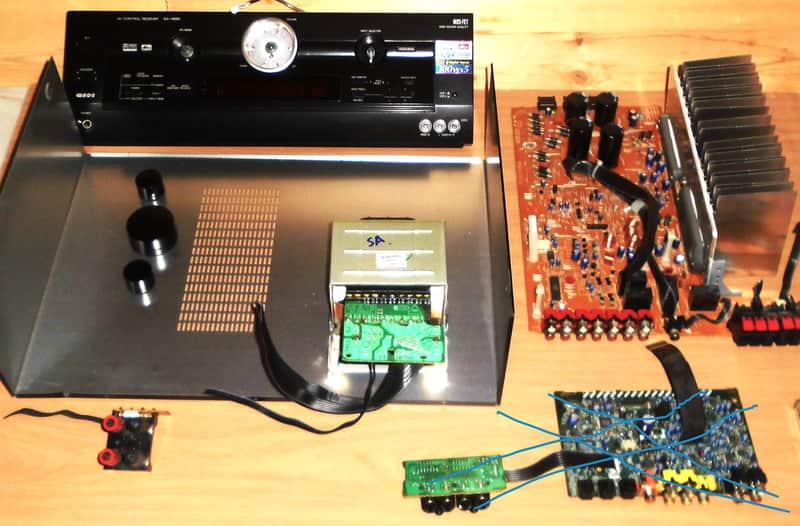
-FESTPREISE (5% Rabatt ab 2Artikel)Front-Blende/Bedienpanel inkl rückseitiger Elektronik, oder Hauptplatine, oder Netzteil/Trafo : je 17,50 + 5,88 VersandGehäusedeckel in schwarz 13,90 + 5,88 Versand(Eingangsplatine komplett inkl Anschlüsse verkauft)Empfangsteil Radio-TV-Antenne, oder 3 Drehknöpfe, oder Bodenplatte : je Position 9,50 + Versand 3,88 -bis- 5,48Lautsprecherklemmen 7,50 + 3,88 Versand--Reverb-Bezahlsystem, Banküberweisung, PayPal, ab 10€ Einkauf auch bar bei Abholung-bruchsicher verpackt, registrierter Versand--Hinweis zur Preisgestaltung: erhebliche Gebühren auf Ware UND Versand = vom Gesamtbetrag werden bis zu 15% von Reverb einbehalten --mehr Raritäten eingestellt : Kombiversand spart Geld-

Our Thoughts RADAR AI

Compared with a cheap used AVR from the same era, US$9 is a bargain if it powers up and passes audio cleanly. Recent sale/listing evidence for the related SA-HE7 family shows it changing hands around US$20-equivalent in working condition, while the similar SA-HE70 is listed at about US$28 in tested shape, so US$9 sits well below the usual low end.

That makes this a sensible grab for a compact home-theater or garage-system duty, especially if you want a straightforward Dolby-era receiver with FM/AM and around 100 W per channel class output. The upside is strongest if it’s complete and truly working; at this price, a missing remote is not fatal, but you should still confirm clean sound from all channels, stable speaker relay behavior, and that the front-panel controls respond properly.

Independent perspective — not a price guarantee. Always verify condition, accessories and provenance before purchase.

About Panasonic

Panasonic traces its roots to 1918, when Japanese innovator Konosuke Matsushita established Matsushita Electric Factory in Osaka, initially producing electrical sockets and plugs. The company expanded into radios by 1931 and audio equipment soon after, introducing the National brand domestically while debuting Panasonic in 1955 for export speakers—a name blending the Greek "pan" (universal) with "sonic" (sound) to symbolize global audio reach. In 1965, it launched the Technics sub-brand to compete internationally with premium hi-fi gear, cementing its heritage in reliable, innovative consumer electronics during Japan's postwar boom.

Panasonic's audio portfolio historically spanned amplifiers, receivers, turntables, speakers, and CD players, with iconic releases like the 1964 stereo console Asuka and the 1984 Technics SL-P50P CD player. Technics specialized in high-fidelity components such as direct-drive turntables (e.g., SL-1200 series) and precise amplifiers, while Panasonic offered broader home audio systems known for clean, lucid sound in the 1970s and 1980s. Today, the focus persists through Technics' revived high-resolution lineup, including premium amplifiers, speakers, headphones, and digital sources.

Positioned as a mid-tier mainstay with high-end aspirations via Technics, Panasonic earns respect for durable, value-driven performance rather than boutique exclusivity. Its vintage gear attracts collectors for robust build and musicality, while modern Technics targets discerning buyers seeking refined hi-fi without ultra-premium pricing. This blend of mass-market accessibility and audiophile credibility keeps it relevant in a competitive landscape.


See all Panasonic listings on RADAR.

More SA-HE7 listings