Acoustic Research (AR) emerged from Cambridge, Massachusetts, in 1954, founded by audio pioneer Edgar Villchur and his student Henry Kloss. Villchur, an inventor, researcher, and educator, developed the groundbreaking acoustic suspension loudspeaker principle, patented in 1956, which enabled compact speakers with deep, distortion-free bass. Their debut AR-1 model, unveiled at the 1954 New York Audio Show for $185, revolutionized the industry by shrinking enclosure sizes by up to 75 percent while delivering superior performance, setting the stage for AR's rapid ascent.
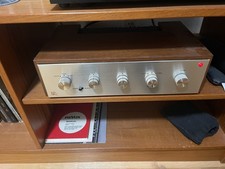
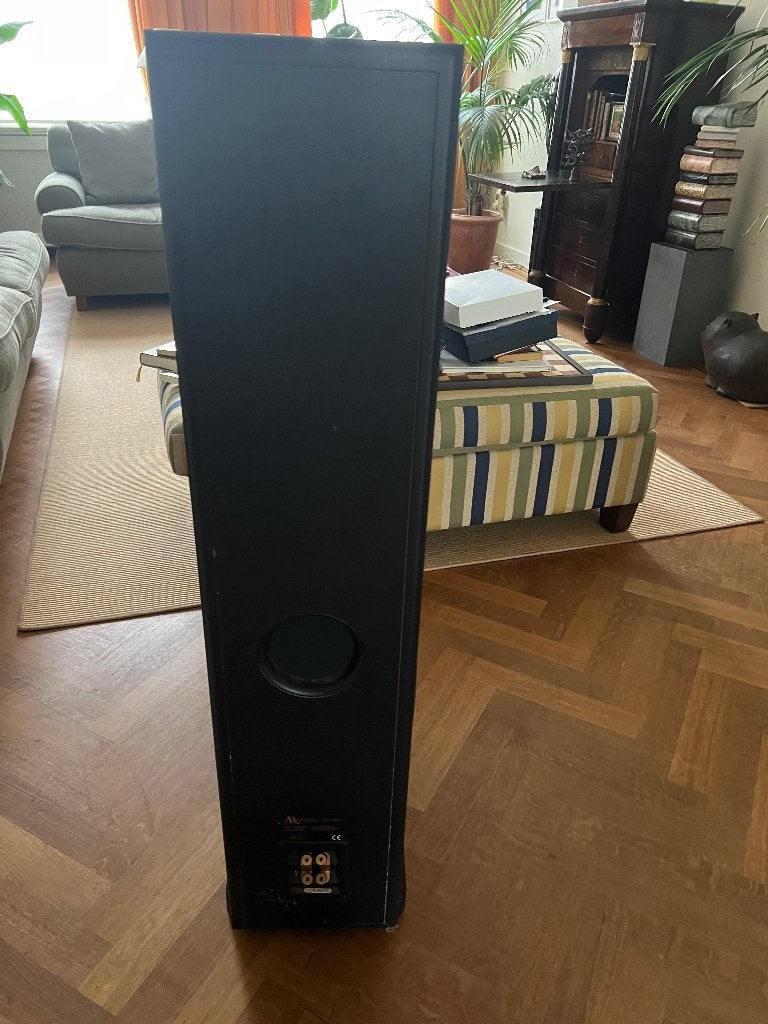
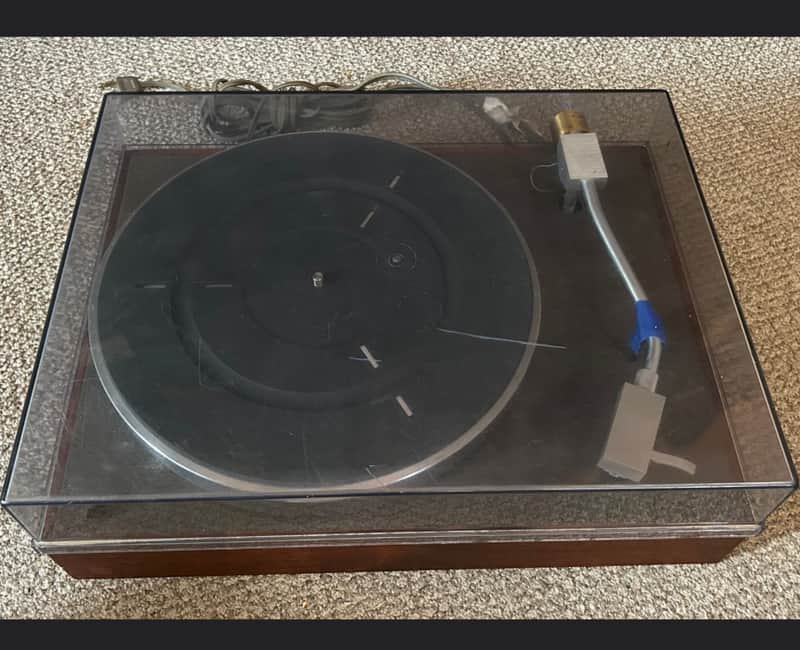
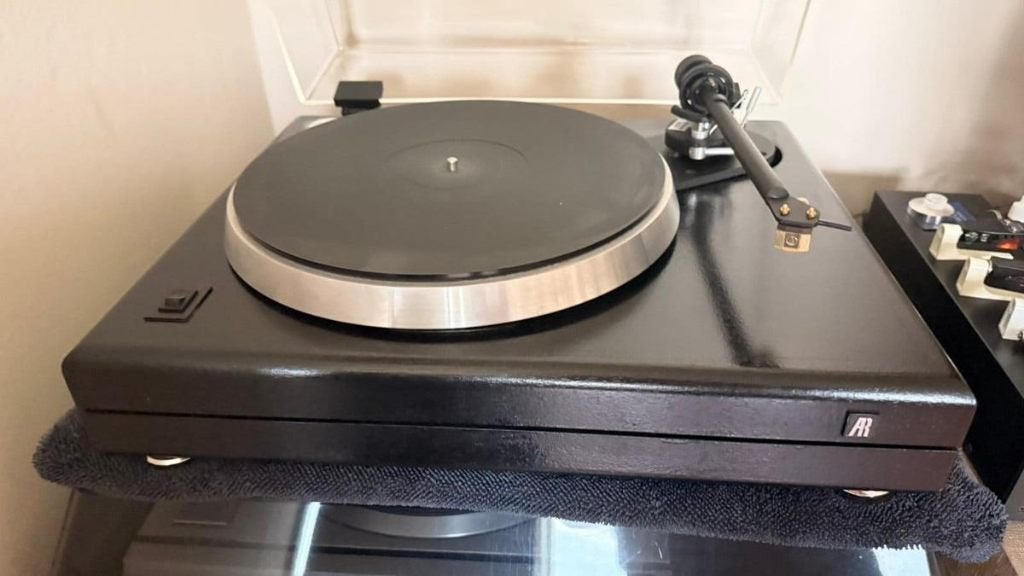
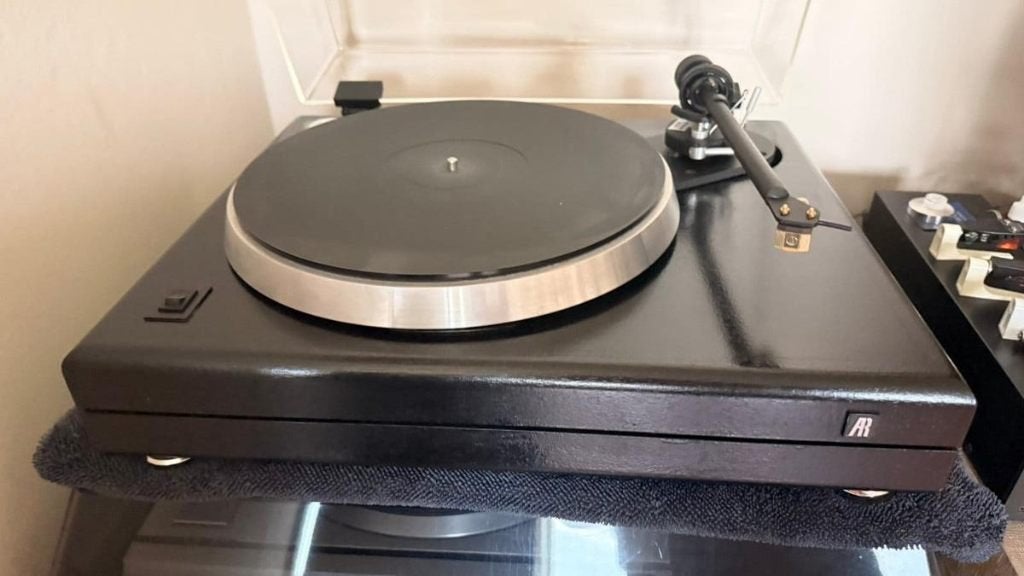
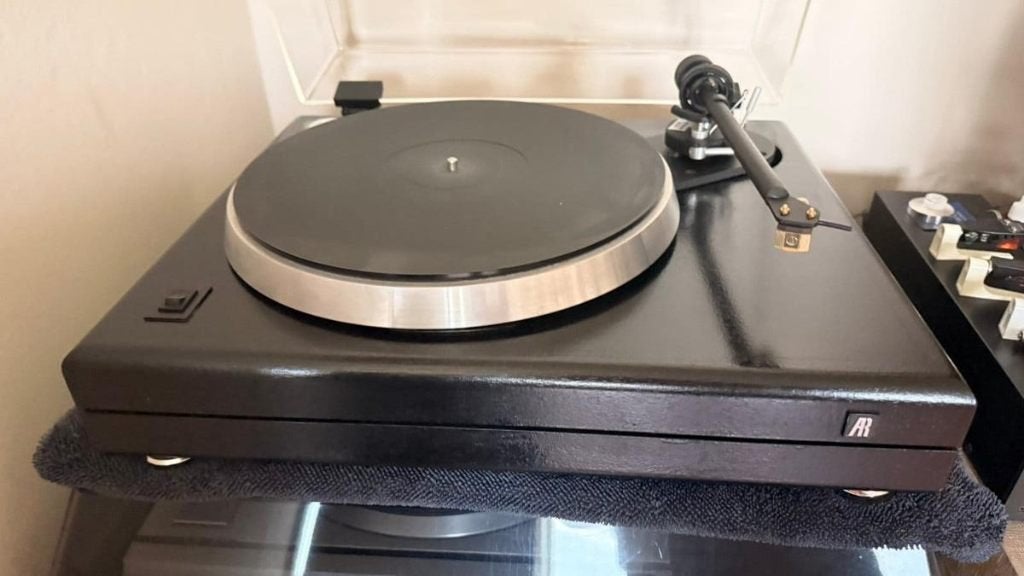
The brand focused primarily on loudspeakers, pioneering acoustic suspension designs like the AR-1, AR-2, AR-3 series, and compact bookshelf models such as the AR-4, which appealed to students and families. AR expanded into turntables, including the enduring AR Turntable still prized by vinyl enthusiasts, alongside other stereo components. This emphasis on innovative speakers with flat response, wide dispersion, and extended bass defined their catalog, prioritizing engineering over aesthetics.
AR commanded peak dominance in 1966 with over 32 percent of the U.S. loudspeaker market—the largest share any hi-fi company has achieved—earning reverence for natural sound reproduction and robust build quality. Now owned by VOXX and shifted toward lower-end accessories, its vintage products remain collector icons, embodying mid-century high-fidelity excellence for discerning buyers seeking timeless accuracy.