# Optonica
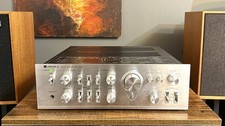
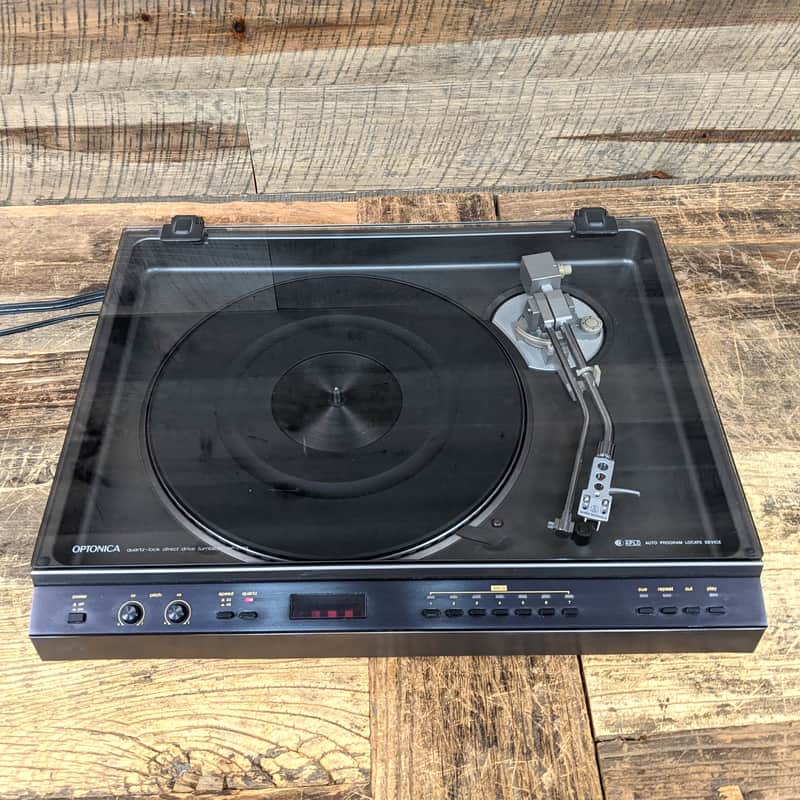
Optonica was a high-end audio subdivision of Sharp Corporation, the Japanese electronics manufacturer. Launched in 1975 (with some sources citing 1976), the brand was created to compete directly with established premium audio makers including Pioneer, Yamaha, Sansui, Nakamichi, and Marantz during the golden age of hi-fi. Sharp designed, built, and marketed Optonica products entirely in Japan, positioning the line as a serious contender in the luxury stereo market.
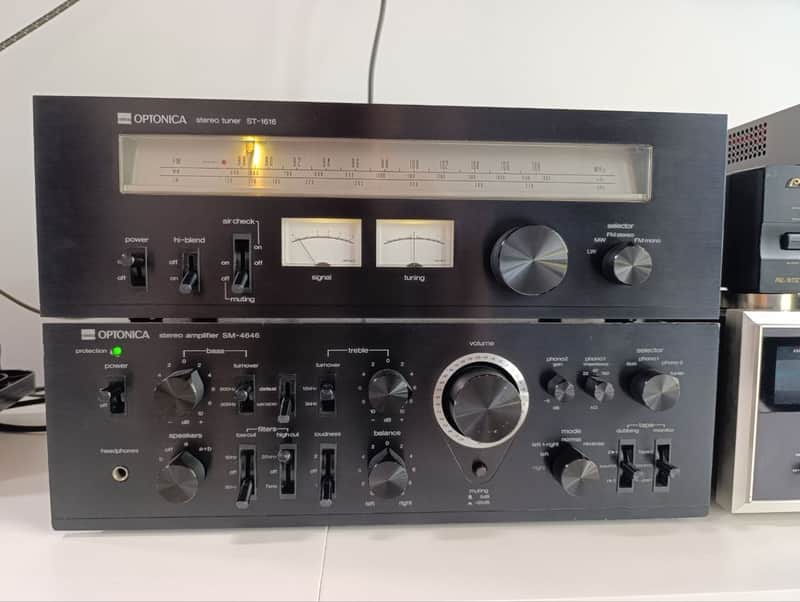
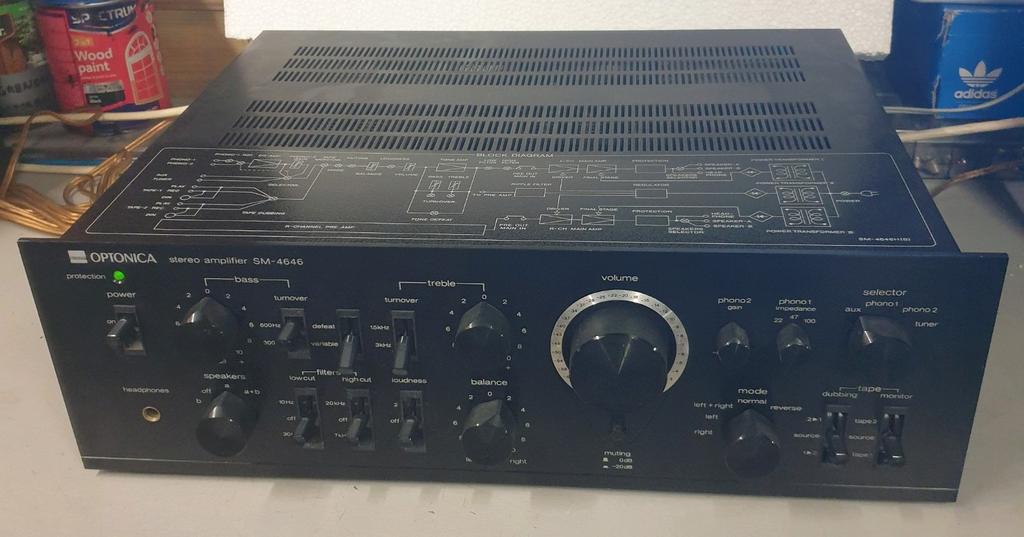
The brand's product portfolio centered on integrated amplifiers, receivers, and complete stereo systems aimed at discerning audiophiles. Optonica equipment was engineered to deliver high-fidelity sound reproduction across the mid-to-high power range, with models typically rated between 40 and 60 watts per channel. The brand maintained a focused approach, concentrating on core audio components rather than diversifying across numerous product categories.
Optonica's tenure in the high-end audio market proved relatively brief, effectively ending by 1982 as a serious competitor. The brand was revived in 1988 as a consumer electronics line encompassing stereo television receivers, VCRs, portable cassette players, and surround-sound receivers, but this iteration lacked the prestige of the original audio division. Production ceased entirely by 1991. Today, Optonica equipment from the late 1970s and early 1980s holds appeal among vintage audio collectors and enthusiasts seeking well-engineered Japanese hi-fi from that era.